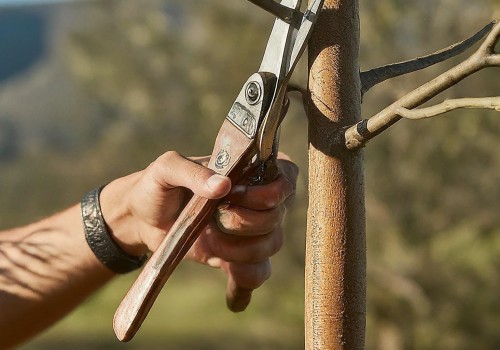
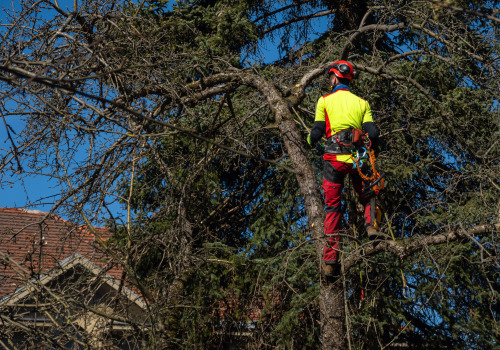
When it comes to maintaining the health and appearance of your trees, understanding the differences between tree trimming and tree pruning is essential. While both practices involve cutting branches, they serve distinct purposes and are crucial for the overall vitality of your trees.
Tree trimming
primarily focuses on enhancing the aesthetic appeal of trees by shaping their growth and removing excess foliage. This process is often performed to maintain a tree's size and to ensure it fits well within its landscape.On the other hand, tree pruning is more about promoting healthy growth and preventing disease. It involves removing dead or diseased branches, which can help improve air circulation and sunlight penetration, ultimately leading to a stronger tree. Understanding these differences is vital for any homeowner or landscaper looking to care for their trees effectively. Proper trimming and pruning not only enhance the beauty of your landscape but also contribute significantly to the longevity of your trees. However, many individuals make common mistakes during these processes that can lead to detrimental effects on tree health.
By recognizing these pitfalls early on, you can ensure that your trees remain vibrant and healthy for years to come. This article will delve into the most frequent errors made in tree trimming and pruning, providing you with valuable insights to avoid them. Whether you're a seasoned gardener or a novice tree enthusiast, understanding these concepts will empower you to make informed decisions that benefit your trees and enhance your outdoor space.
Mistake #1: Not Knowing the Right Time to Trim or Prune
Timing is crucial when it comes to tree trimming and pruning. Understanding the best time to trim trees can significantly impact their health and growth. Each tree species has its own growth cycle, and pruning at the wrong time can lead to stress, disease, or even death.Seasonal Pruning
- Spring: This is typically a time of rapid growth for many trees.
Pruning in early spring can stimulate new growth, but it’s essential to avoid cutting too much, as this can shock the tree.
- Summer: Light pruning during the summer can help manage the shape and size of the tree. However, heavy pruning should be avoided as it can expose the tree to sunscald and pests.
- Fall: Pruning in the fall is generally not recommended for most species. Trees are preparing for dormancy, and cutting them back can hinder their ability to store energy for winter.
- Winter: Late winter is often considered the best time for tree trimming and pruning. During this period, trees are dormant, making it easier to see their structure without leaves.
This timing minimizes stress and allows for healthy regrowth in spring.
Mistake #2: Using Incorrect Tools
When it comes to tree trimming and pruning, using the correct tools is essential for achieving optimal results and ensuring the health of your trees.Using inappropriate tools can lead to damage, ineffective cuts, and even injury. Here’s a breakdown of some common tools you should consider:
- Pruning Shears: Ideal for small branches and delicate cuts, pruning shears are essential for maintaining the shape of your trees. Look for bypass shears, which provide a clean cut by allowing the blades to slide past each other.
- Loppers: For branches that are too thick for pruning shears, loppers offer greater leverage and cutting power. They typically have long handles that allow you to reach higher branches without needing a ladder.
- Saws for Tree Pruning: When dealing with larger branches, a pruning saw is necessary.
These saws come in various sizes and styles, including folding saws and pole saws, which can help you reach higher areas safely.
- Chainsaws: For significant tree trimming tasks or when removing large branches, a chainsaw is often required. However, this tool should be used with caution and preferably by someone experienced in its operation.
- Hedge Trimmers: If you’re looking to maintain hedges or shrubs as part of your tree care routine, hedge trimmers can help achieve a neat appearance. They come in both manual and electric versions.
Remember that each tool has its purpose, so choose wisely based on the size and type of branches you are working with.
Mistake #3: Over-Pruning or Under-Pruning Trees
When it comes to tree trimming and pruning, finding the right balance is crucial. Both over-pruning and under-pruning can have detrimental effects on the health and appearance of your trees.Effects of Over-Pruning
Over-pruning occurs when too much foliage is removed, which can lead to several issues:- Stress on the Tree: Removing excessive branches can shock the tree, making it more susceptible to diseases and pests.
- Reduced Growth: Trees rely on their leaves for photosynthesis. Cutting away too many leaves can stunt growth and reduce overall vigor.
- Sunburned Bark: With fewer leaves to provide shade, the exposed bark may suffer from sunburn, leading to further damage.
Consequences of Under-Pruning
Under-pruning, on the other hand, can also be harmful:- Crowded Canopy: A dense canopy can restrict airflow and sunlight, creating a breeding ground for fungal diseases.
- Pest Infestations: Overgrown branches can attract pests, which may lead to infestations that compromise tree health.
- Structural Weakness: Failure to remove dead or weak branches can result in hazardous situations, especially during storms.
How Much to Prune Trees
The amount you should prune depends on various factors including tree species, age, and health. Here are some general guidelines:- Younger Trees: Aim to remove no more than 20% of the tree's foliage in a single season.
- Mature Trees: For established trees, pruning 10-15% of the canopy is often sufficient to maintain health without causing stress.
- Sick or Damaged Trees: Consult an arborist for specific recommendations tailored to the tree's condition.
Always consider consulting with a professional if you're unsure about how much to prune.
Mistake #4: Ignoring Tree Species Specific Needs
When it comes to tree trimming and pruning, one of the most significant mistakes homeowners make is ignoring the specific needs of different tree species. Each type of tree has its own unique growth patterns, flowering cycles, and structural characteristics, which means that a one-size-fits-all approach to pruning can lead to detrimental effects.Understanding Tree Species Pruning Needs
- Deciduous Trees: These trees, such as oaks and maples, typically benefit from pruning during their dormant season in late winter or early spring. This timing helps minimize sap loss and encourages healthy growth in the spring.
- Evergreen Trees: Species like pines and spruces should be pruned in late spring or early summer after new growth has emerged. Pruning too late in the season can expose them to winter damage.
- Flowering Trees: Trees that bloom in spring, such as cherry or dogwood, should be pruned right after they flower.
Conversely, those that flower in summer, like crepe myrtles, should be pruned in late winter or early spring.
Species-Specific Trimming Techniques
Different species also require specific techniques for effective trimming. For instance:
- Crown Thinning: This technique is often used on hardwoods to improve light penetration and air circulation. However, it must be done carefully to avoid over-thinning.
- Heading Cuts: While these cuts can encourage bushier growth in some species, they can lead to unsightly regrowth in others. Understanding how your tree responds to heading cuts is crucial.
- Reduction Cuts: These are used to reduce the height or spread of a tree without compromising its natural shape.
Knowing when and how to apply these cuts is essential for maintaining the health of the tree.
Mistake #5: Neglecting Safety Precautions
When it comes to tree trimming and pruning, safety should always be a top priority. Neglecting safety precautions can lead to serious injuries, not only to the person performing the task but also to bystanders. Here are some essential safety tips to keep in mind:- Wear Appropriate Safety Gear: Always equip yourself with the right pruning safety gear.
This includes a hard hat to protect your head from falling branches, safety goggles to shield your eyes from debris, and gloves to prevent cuts and scrapes. Sturdy, non-slip footwear is also crucial for maintaining balance while working on ladders or uneven ground.
- Use Proper Tools: Ensure that your tools are in good condition and appropriate for the job. Dull or damaged tools can lead to accidents. Always use sharp pruning shears, saws, and other equipment designed for tree trimming.
If you're using a ladder, make sure it's stable and positioned correctly.
- Assess the Environment: Before starting any trimming or pruning work, take a moment to assess your surroundings. Look for power lines, unstable branches, or any other hazards that could pose a risk. If you're unsure about the safety of the area, consider consulting a professional.
- Work with a Partner: Whenever possible, have someone assist you during the process. A partner can help hold the ladder steady or provide immediate assistance in case of an accident.
This is especially important when working on larger trees or in challenging conditions.
- Know Your Limits: If a tree is too large or poses significant risks, it may be best to hire a professional arborist. They have the expertise and equipment necessary to handle complex jobs safely.
Mistake #6: Failing to Clean Tools Between Uses
When it comes to tree trimming and pruning, one of the most overlooked aspects is the maintenance of your tools. Failing to clean your pruning tools between uses can lead to serious consequences, including the spread of diseases among trees.This section will explore why cleaning your tools is essential and how to do it effectively.
Why Cleaning Tools Matters
Pruning tools can harbor pathogens, pests, and diseases that can easily transfer from one tree to another. For instance, if you prune a tree infected with a fungal disease and then use the same tools on a healthy tree, you risk infecting it as well. This not only jeopardizes the health of your trees but can also lead to costly treatments or even tree loss.Steps for Effective Tool Cleaning
- Disinfect After Each Use: Use a solution of 10% bleach or rubbing alcohol to wipe down blades and handles after each pruning session. This simple step can significantly reduce the risk of disease transmission.
- Sharpen Tools Regularly: Keeping your tools sharp not only makes pruning easier but also minimizes damage to the tree.
Dull blades can crush branches, creating wounds that are more susceptible to infection.
- Store Tools Properly: After cleaning, ensure that your tools are stored in a dry place. Moisture can promote rust and degradation, which can affect their performance.
Preventing Disease Spread
In addition to cleaning your tools, consider implementing a few best practices:- Avoid Pruning During Wet Conditions: Wet weather can increase the likelihood of disease spread. Try to schedule your tree trimming and pruning activities during dry periods.
- Inspect Trees Regularly: Keep an eye on your trees for any signs of disease or pest infestations. Early detection can help you take action before problems escalate.
Remember, a little diligence in tool care goes a long way in preventing disease spread and ensuring vibrant, healthy trees.
Common FAQs About Tree Trimming and Pruning Mistakes
When it comes to tree trimming and pruning, many homeowners have questions about the best practices and common pitfalls. Here are some frequently asked questions that can help clarify these issues:What are the most common mistakes in tree trimming?
- Over-pruning: Removing too much foliage can stress the tree, leading to poor health and growth.
- Improper timing: Trimming at the wrong time of year can hinder flowering and fruiting. It's essential to know the right season for each tree species.
- Neglecting safety: Failing to use proper safety gear or equipment can lead to accidents. Always prioritize safety when working with large branches.
How can I tell if I'm pruning correctly?
- Look for clean cuts: Ensure that your cuts are smooth and not jagged, which can invite disease.
- Observe growth patterns: After pruning, monitor the tree for healthy new growth in the following seasons.
- Consult a professional: If unsure, consider hiring an arborist to evaluate your techniques.
Are there specific tools I should avoid using?
- Avoid dull tools: Using blunt saws or shears can damage the tree and make it more susceptible to disease.
- Steer clear of inappropriate equipment: Tools like hedge trimmers are not suitable for larger branches and can cause harm.
Conclusion: Key Takeaways on Tree Trimming and Pruning Mistakes
In conclusion, understanding the common mistakes associated with tree trimming and pruning is essential for maintaining the health and aesthetics of your trees.By avoiding these pitfalls, you can ensure that your trees thrive and continue to enhance your landscape.
Key Takeaways
- Timing is crucial: Always prune during the appropriate season for your specific tree species to minimize stress and promote healthy growth.
- Use the right tools: Ensure that your tools are sharp and clean to make precise cuts, which helps prevent damage and disease.
- Avoid over-pruning: Removing too much foliage can shock the tree and hinder its ability to photosynthesize effectively. Aim to remove no more than 25% of a tree's canopy in a single season.
- Understand tree structure: Familiarize yourself with the natural shape and growth patterns of your trees. This knowledge will guide you in making cuts that enhance their natural beauty.
- Don’t ignore safety: Always prioritize safety by wearing protective gear and using ladders or lifts properly when working on taller trees.