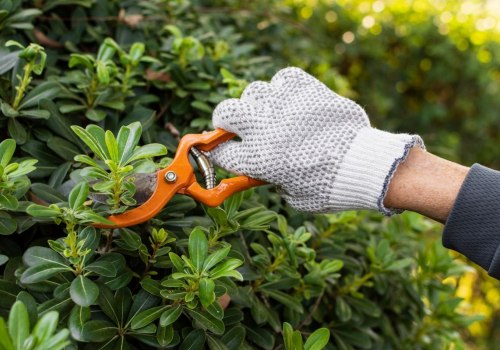
Tree trimming and pruning are essential practices in tree care that not only enhance the aesthetic appeal of your landscape but also promote the overall health and longevity of trees. While many homeowners may think of these activities as mere beautification efforts, they play a crucial role in maintaining the structural integrity and vitality of various tree species. Understanding the differences between tree trimming and tree pruning is vital, as each serves distinct purposes and is applicable to different types of trees. Tree trimming typically involves the removal of excess branches and foliage to shape the tree and improve its appearance. This practice is often performed on ornamental trees and shrubs, where aesthetics are a primary concern.
On the other hand, tree pruning focuses on removing dead or diseased branches to encourage healthy growth and prevent potential hazards. This technique is particularly important for fruit-bearing trees and those that are susceptible to disease. However, not all trees respond equally to trimming and pruning. Factors such as species, age, and health status can influence how a tree reacts to these practices. Some trees thrive with regular trimming, while others may suffer if pruned incorrectly or at the wrong time of year.
Therefore, it is essential for tree owners to understand their specific trees' needs before embarking on any trimming or pruning project. In this article, we will explore whether tree trimming and pruning can be applied universally across all types of trees, delving into the best practices for each species and offering insights into how to maintain a healthy and beautiful landscape.
Understanding Tree Trimming and Pruning
Tree trimming and pruning are essential practices for maintaining the health and aesthetics of trees, but they serve different purposes and involve distinct techniques. Understanding these differences is crucial for any tree care enthusiast.Difference Between Trimming and Pruning
Tree trimming primarily focuses on the overall shape and size of the tree. It involves cutting back branches to promote a more uniform appearance and to remove any dead or overgrown limbs. This practice is often performed on trees that are primarily ornamental or those that require regular maintenance to keep them looking their best.On the other hand, tree pruning is a more specialized technique aimed at enhancing the tree's health and encouraging growth.This process involves selectively removing specific branches to improve air circulation, light penetration, and to eliminate diseased or damaged limbs. Pruning is typically done during the tree's dormant season to minimize stress and promote vigorous growth in the following season.
Benefits of Trimming and Pruning
- Improved Health: Both trimming and pruning can help prevent disease by removing infected branches and allowing for better airflow.
- Enhanced Growth: Pruning encourages new growth by directing energy to healthy branches, while trimming maintains a manageable size.
- Aesthetic Appeal: Regular trimming helps maintain a pleasing shape, making trees more attractive in landscaping.
- Safety: Removing dead or overhanging branches reduces the risk of falling limbs, which can pose hazards to people and property.
Types of Trees: An Overview
Understanding the different types of trees is essential when considering tree trimming and pruning techniques. Trees can be broadly categorized into three main types: deciduous trees, evergreen trees, and fruit trees.Deciduous Trees
Deciduous trees are those that shed their leaves annually, typically in the fall.This category includes popular species such as oaks, maples, and birches. Pruning these trees is best done during their dormant season, usually late winter to early spring, before new growth begins. This timing helps minimize stress on the tree and encourages healthy growth in the spring.
Evergreen Trees
Evergreen trees, such as pines, spruces, and firs, retain their foliage throughout the year. These trees can be pruned at various times depending on the specific species and desired outcome.For instance, light trimming can be done in late spring or early summer to maintain shape, while more extensive pruning should occur in late winter when the tree is dormant.
Fruit Trees
Fruit trees, including apple, cherry, and peach trees, require specific pruning techniques to enhance fruit production and maintain tree health. The best time to prune fruit trees is typically in late winter or early spring before flowering. Proper pruning encourages better air circulation and sunlight penetration, which are crucial for fruit development.In summary, recognizing the type of tree you are working with is vital for effective tree trimming and pruning. Each type has its own unique requirements and optimal timing for maintenance, ensuring that your trees remain healthy and vibrant.Can All Trees Be Trimmed or Pruned?
When it comes to tree trimming and pruning, not all trees are created equal.While many species can benefit from regular maintenance, some have specific needs or restrictions that must be considered.
Can All Trees Be Pruned?
In general, most trees can be pruned, but the timing and method can vary significantly based on the species. For instance, deciduous trees like oaks and maples are best pruned in late winter or early spring before new growth begins. In contrast, evergreens such as pines and spruces should be pruned in late spring or early summer to avoid damaging new buds.
Tree Species Pruning Guidelines
- Fruit Trees: These trees often require specific pruning techniques to promote healthy fruit production. Pruning should typically occur in late winter or early spring.
- Flowering Trees: Trees like dogwoods and magnolias should be pruned immediately after flowering to avoid cutting off next year’s blooms.
- Shade Trees: Species such as oaks and maples benefit from pruning to remove dead or diseased branches, ideally done in late winter.
- Ornamental Trees: These may require more delicate pruning to maintain their shape and aesthetic appeal, often best done in early spring.
Therefore, understanding the specific needs of each tree species is crucial for effective tree trimming and pruning.In conclusion, while most trees can be trimmed or pruned, it is essential to follow specific guidelines based on the tree species to ensure healthy growth and longevity. Always consider consulting with a professional arborist if you are unsure about the best practices for your particular trees.
Best Practices for Tree Trimming and Pruning
When it comes to tree trimming and pruning, understanding the best practices is essential for promoting healthy growth and minimizing damage. Different types of trees may require specific techniques, but there are general guidelines that can be applied across the board.Tree Trimming Techniques
- Thinning: This technique involves selectively removing branches to improve air circulation and light penetration. It is particularly beneficial for dense canopies.
- Reduction: Reducing the size of a tree by cutting back the branches to a lateral branch helps maintain its shape and size without compromising its health.
- Raising: This technique involves removing lower branches to provide clearance for pedestrians, vehicles, or structures.
It’s important to ensure that this does not affect the tree’s overall structure.
Pruning Techniques
- Deadwooding: Removing dead or diseased branches not only improves the tree's appearance but also prevents the spread of disease.
- Heading: This involves cutting back a branch to a bud or lateral branch, which encourages new growth. However, it should be done sparingly to avoid stress on the tree.
- Crown Cleaning: This technique focuses on removing weak or crossing branches to enhance the tree's structure and health.
Avoid topping trees, as this can lead to significant health issues and structural problems. Following these best practices will ensure that your trees remain healthy, vibrant, and well-shaped for years to come.
When to Trim or Prune Different Types of Trees
Understanding the best time to prune trees is crucial for maintaining their health and promoting growth. Different species of trees have unique growth patterns and seasonal behaviors, which influence when trimming and pruning should occur.Deciduous Trees
For most deciduous trees, the ideal time for pruning is during the late winter or early spring, just before new growth begins. This timing allows for better visibility of the tree's structure and minimizes stress on the tree.Pruning during dormancy helps to promote vigorous growth in the spring.
Evergreen Trees
Evergreen trees, such as pines and spruces, can be pruned in late spring or early summer after new growth has emerged. This timing helps to maintain their shape and encourages denser foliage. Avoid heavy pruning in late fall, as it can leave the tree vulnerable to winter damage.Flowering Trees
When it comes to flowering trees, timing is essential for maximizing blooms. Trees that flower in spring, like cherry and dogwood, should be pruned right after they finish blooming.Conversely, those that bloom in summer or fall, such as crape myrtles, should be pruned in late winter or early spring.
Seasonal Tree Care Tips
- Spring: Focus on removing dead or damaged branches to encourage healthy growth.
- Summer: Light pruning can help shape trees and remove any unwanted growth.
- Fall: Avoid heavy pruning; instead, prepare trees for winter by cleaning up fallen leaves and debris.
- Winter: Ideal for most deciduous trees; however, avoid pruning during extreme cold spells.
Common Mistakes in Tree Trimming and Pruning
Tree trimming and pruning are essential practices for maintaining the health and aesthetics of trees, but many individuals make common mistakes that can lead to serious damage. Understanding these pitfalls is crucial for effective tree care.Improper Pruning Techniques
One of the most frequent errors in tree care is using improper pruning techniques. This includes:- Cutting too much at once: Removing large sections of a tree can shock it, leading to stress and potential death.
- Making flush cuts: Cutting branches too close to the trunk can hinder the tree's ability to heal, increasing the risk of disease.
- Ignoring branch collar: The branch collar is the swollen area where a branch meets the trunk.
Cutting too close to this area can damage the tree's natural defense mechanisms.
Timing Mistakes
The timing of tree trimming and pruning is equally important. Many people prune during the wrong season, which can adversely affect growth. For instance:- Pruning spring-flowering trees in late winter: This can remove buds that would have produced flowers.
- Trimming during extreme weather: Avoid pruning during hot summer months or freezing winter conditions, as this can stress the tree.
Avoiding Tree Damage
To prevent damage during tree trimming and pruning, consider the following tips:- Assess the tree's health: Before any trimming, evaluate whether the tree needs it. Look for dead or diseased branches that require removal.
- Use proper tools: Ensure that your tools are sharp and clean to make precise cuts that promote healing.
- Consult a professional: If unsure about how to proceed, hiring an arborist can save time and prevent costly mistakes.
FAQs About Tree Trimming and Pruning
When it comes to tree trimming and pruning, many homeowners have questions about the best practices and the types of trees that can be trimmed or pruned.Here are some frequently asked questions that can help clarify common concerns:
1.Can all types of trees be trimmed or pruned?
In general, most trees can benefit from trimming and pruning, but the timing and techniques may vary based on the species. For example, deciduous trees like oaks and maples are best pruned in late winter or early spring, while evergreen trees such as pines can be trimmed in late spring or early summer. Always research specific tree species to ensure proper care.2.What is the difference between trimming and pruning?
Trimming typically refers to cutting back overgrown branches to maintain a tree's shape and size, while pruning involves removing dead or diseased branches to promote healthy growth. Understanding this distinction is crucial for effective tree care.3.Is there a best time of year for tree trimming and pruning?
The ideal time for tree trimming and pruning largely depends on the type of tree.Most experts recommend performing these tasks during the dormant season, which is usually late fall to early spring, as this minimizes stress on the tree and reduces the risk of disease.
4.Can I do it myself, or should I hire a professional?
While some minor trimming can be done by homeowners, hiring a professional arborist is advisable for larger trees or complex pruning tasks. Professionals have the expertise and equipment to ensure that the job is done safely and effectively.5.What are the signs that my tree needs pruning?
- Dead or diseased branches: These should be removed to prevent further damage.
- Crowded branches: If branches are crossing or rubbing against each other, they may need to be pruned.
- Pest infestations: Pruning can help manage pests by removing affected areas.
Conclusion: Key Takeaways on Tree Trimming and Pruning
In conclusion, understanding the nuances of tree trimming and pruning is essential for maintaining the health and aesthetics of your trees. Not all trees respond the same way to trimming and pruning, and recognizing the specific needs of different species can significantly impact their growth and longevity. Here are some key takeaways to consider:- Species-Specific Needs: Different tree species have unique growth patterns and requirements. For instance, deciduous trees may benefit from winter pruning, while evergreen trees often require trimming in late spring or early summer.
- Timing Matters: The timing of trimming and pruning is crucial.
Pruning during the wrong season can lead to stress or disease in the tree. Always research the best times for your specific tree type.
- Health Over Aesthetics: While aesthetics are important, prioritizing the health of the tree should be your primary goal. Removing dead or diseased branches can prevent further issues and promote healthy growth.
- Professional Guidance: When in doubt, consult with a certified arborist. They can provide tailored advice based on your tree species and local climate conditions.
Proper care not only enhances the beauty of your landscape but also contributes to a healthier environment overall.