When it comes to maintaining the health and aesthetics of your trees, understanding tree trimming and pruning is essential. While these terms are often used interchangeably, they refer to distinct practices that serve different purposes.
Tree trimming
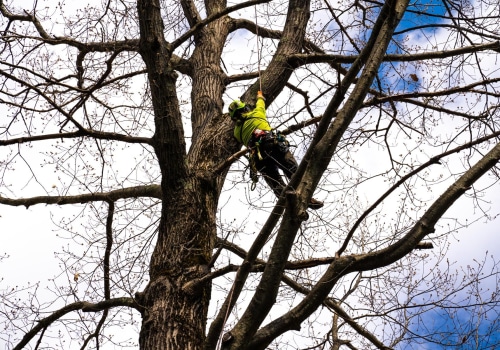
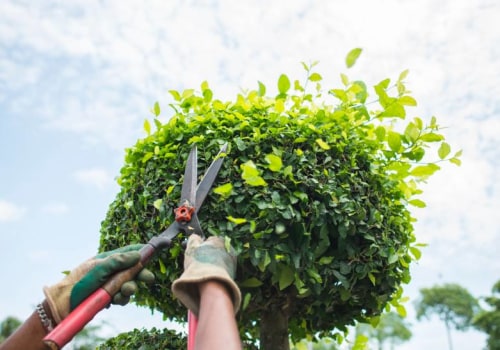
generally involves the removal of excess branches and foliage to enhance the tree's appearance and promote healthy growth. This process is typically performed on trees that are well-established and aims to maintain their shape and size. On the other hand, tree pruning is a more specialized technique focused on removing specific branches to improve the tree's overall health.This may include cutting away dead or diseased limbs, which can help prevent the spread of pests and diseases. Pruning also encourages better air circulation and sunlight penetration, which are vital for a tree's vitality. The differences between trimming and pruning are crucial for any homeowner or landscaper to understand. While trimming is primarily aesthetic, pruning is a health-driven practice that can significantly extend a tree's lifespan. By grasping these concepts, you can make informed decisions about how to care for your trees effectively, ensuring they thrive for years to come.
Health Benefits of Tree Trimming and Pruning
Tree trimming and pruning are essential practices that significantly enhance the health of trees.By removing dead or diseased branches, these techniques help prevent the spread of pests and diseases, ensuring that the tree remains robust and vibrant.One of the primary health benefits of tree trimming is the improvement of air circulation within the tree's canopy. When branches are overcrowded, airflow is restricted, creating a humid environment that can foster fungal growth and attract insects. By selectively pruning branches, you allow for better light penetration and air movement, which are crucial for photosynthesis and overall tree vitality.Additionally, tree pruning encourages new growth by redirecting the tree's energy towards healthy branches. This process not only stimulates the development of new shoots but also enhances the tree's structural integrity.
A well-pruned tree is less likely to suffer from breakage during storms or high winds, as it has a balanced shape and stronger limbs.
- Prevention of Disease: Removing infected branches helps to stop diseases from spreading to healthy parts of the tree.
- Enhanced Growth: Pruning encourages the growth of new leaves and flowers, leading to a more lush appearance.
- Improved Aesthetics: Regular trimming maintains a neat shape, enhancing the visual appeal of your landscape.
Aesthetic Improvements Through Tree Trimming and Pruning
When it comes to enhancing the visual appeal of your landscape, tree trimming and pruning play a crucial role. These practices not only promote the health of the trees but also significantly improve their aesthetic value.Aesthetic Benefits of Tree Trimming
- Improved Shape: Regular trimming helps maintain a tree's natural shape, ensuring it complements the surrounding landscape. Well-shaped trees can serve as focal points in your yard.
- Enhanced Light Exposure: Pruning allows more sunlight to reach the inner branches and surrounding plants, promoting a healthier garden environment and making your landscape appear more vibrant.
- Removal of Dead or Diseased Branches: By eliminating unsightly dead or diseased branches, you not only improve the tree's health but also enhance its overall appearance.
How Pruning Enhances Appearance
Pruning is an art that, when done correctly, can transform a tree into a stunning centerpiece.
It encourages new growth and can lead to a fuller canopy, which adds depth and texture to your landscape. Additionally, strategic pruning can highlight the unique features of certain tree species, such as interesting bark patterns or flowering branches.
Landscaping with Tree Trimming
Incorporating tree trimming and pruning into your landscaping routine can create a cohesive look throughout your property. For instance, aligning the heights of trees through careful trimming can create a sense of harmony. Furthermore, well-maintained trees can increase property value by enhancing curb appeal.In conclusion, investing time in tree trimming and pruning not only benefits the health of your trees but also elevates the overall aesthetic quality of your landscape.
A well-trimmed tree is not just a plant; it’s an integral part of your home’s beauty and charm.
Safety Considerations in Tree Trimming and Pruning
When it comes to tree trimming and pruning, one of the most significant benefits is the enhancement of safety in your outdoor environment. Regular maintenance not only promotes healthy growth but also plays a crucial role in preventing potential hazards.Reducing Risks from Falling Branches
- Over time, trees can develop weak or dead branches that pose a risk of falling, especially during storms or high winds. By engaging in regular tree trimming, you can identify and remove these hazardous branches before they become a danger.
- Pruning also helps to maintain the structural integrity of the tree, ensuring that it can withstand environmental stresses without compromising safety.
Improving Visibility
- Well-trimmed trees can enhance visibility around your property, making it easier to see oncoming traffic or pedestrians. This is particularly important for trees located near roadways or driveways.
- By keeping branches away from power lines and streetlights, you reduce the risk of electrical hazards and improve overall safety for both residents and visitors.
Tree Safety Maintenance
- Regular pruning encourages healthy growth patterns, which can lead to stronger trees less likely to suffer from disease or structural failure.
- In addition, maintaining your trees through trimming can help prevent infestations by removing dead or diseased wood that attracts pests.
By reducing risks associated with falling branches and improving visibility, you create a safer environment for everyone.
Environmental Benefits of Tree Trimming and Pruning
Tree trimming and pruning play a crucial role in enhancing the environmental health of our ecosystems. By maintaining the structure and health of trees, these practices contribute significantly to various ecological benefits.Support for Wildlife
- Healthy trees provide habitats for numerous species, including birds, insects, and small mammals. Pruning helps to create a balanced canopy that allows sunlight to penetrate, fostering a diverse range of understory plants that serve as food sources and shelter.
- By removing dead or diseased branches, tree trimming reduces the risk of pest infestations that can harm not only the tree but also the wildlife that depends on it.
Improved Air Quality
Trees are vital for air quality, as they absorb carbon dioxide and release oxygen. Regular pruning enhances a tree's ability to photosynthesize effectively by allowing more light to reach its leaves.
This process not only improves the tree's health but also increases its capacity to filter pollutants from the air.
Soil Health and Water Management
- Pruned trees develop stronger root systems, which help prevent soil erosion and promote better water retention. This is particularly important in urban areas where impervious surfaces can lead to runoff and flooding.
- The organic matter produced from pruning can be composted or mulched, returning nutrients to the soil and supporting overall ecosystem health.
Cost-Effectiveness of Regular Tree Maintenance
Investing in tree trimming and pruning can lead to significant long-term cost savings for homeowners and property managers. While some may view regular maintenance as an unnecessary expense, the financial advantages of proactive tree care far outweigh the costs associated with neglect. One of the primary cost benefits of tree trimming is the prevention of potential damage.Overgrown branches can pose a risk to structures, vehicles, and even people. By regularly trimming trees, you reduce the likelihood of costly repairs from fallen limbs or uprooted trees during storms. This proactive approach not only protects your property but also minimizes insurance claims that could lead to higher premiums. Additionally, pruning enhances the health and longevity of trees. Healthy trees are less susceptible to diseases and pests, which can be expensive to treat.
By maintaining your trees through regular trimming, you can avoid the high costs associated with disease management and tree removal. Moreover, well-maintained trees can increase property value. Aesthetic appeal plays a crucial role in real estate; properties with healthy, well-trimmed trees often attract higher offers. This increase in property value can be seen as a direct financial advantage of investing in tree care.In summary, the financial implications of neglecting tree maintenance can be severe. Regular tree trimming and pruning not only protects your investment but also enhances the beauty and value of your property while saving you money in the long run.
Common Myths About Tree Trimming and Pruning
When it comes to tree trimming and pruning, several myths can lead to misunderstandings about the best practices for maintaining healthy trees.Debunking these misconceptions is essential for ensuring that trees receive the care they need.
- Myth 1: Tree trimming is harmful to trees. Many believe that cutting branches can damage a tree. In reality, tree trimming and pruning are vital for promoting growth, improving air circulation, and enhancing sunlight exposure. Properly executed trimming encourages healthier foliage and can even prevent disease.
- Myth 2: Trees should only be pruned in the spring. While spring is a popular time for pruning, it’s not the only time. Different species have different needs.
For instance, some trees benefit from pruning in late winter, while others may require attention in the fall. Understanding the specific needs of your trees is crucial.
- Myth 3: All tree trimming is the same. Not all trimming techniques are created equal. There are various methods tailored to specific tree types and health conditions. For example, crown thinning helps reduce weight on branches, while crown raising removes lower branches to improve clearance.
- Myth 4: You can prune any time of year. While some trees can be pruned at any time, others have specific windows for optimal health.
Pruning during dormancy can minimize stress on the tree, while pruning during active growth can lead to excessive sap loss or disease susceptibility.
FAQs About Tree Trimming and Pruning
When it comes to tree trimming and pruning, many homeowners have questions about the best practices and techniques. Here are some frequently asked questions that can help clarify these important aspects of tree care.What is the difference between tree trimming and pruning?
Tree trimming generally refers to the process of cutting back overgrown branches to maintain the shape and appearance of a tree, while pruning involves removing specific branches to improve the health and growth of the tree. Pruning is often more focused on the tree's long-term health.When is the best time to trim or prune trees?
The ideal time for tree trimming and pruning varies by species, but most trees benefit from being pruned in late winter or early spring before new growth begins.This timing helps minimize stress on the tree and encourages healthy growth.
What tools do I need for effective tree trimming and pruning?
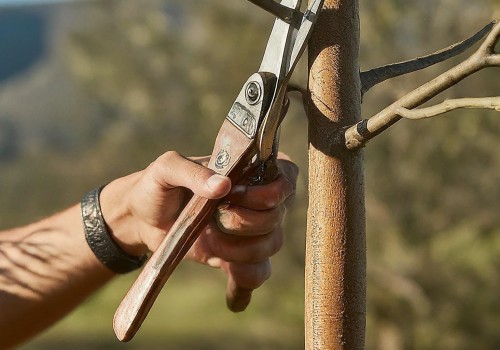
- Hand pruners: Ideal for small branches.
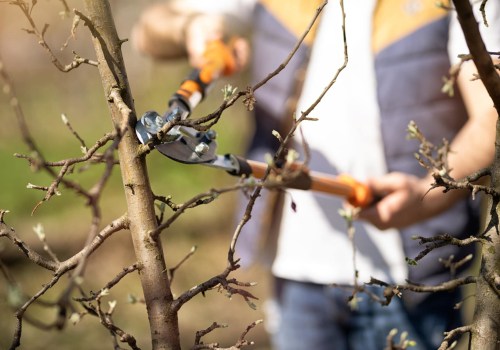
- Loppers: Useful for thicker branches that are too large for hand pruners.
- Saws: A pruning saw or chainsaw may be necessary for larger limbs.
- Safety gear: Always wear gloves, goggles, and a hard hat when working with trees.
Can I trim or prune my trees myself?
While many homeowners can handle basic tree trimming and pruning, it’s important to know your limits. If you’re dealing with large trees or complex pruning techniques, it’s advisable to hire a professional arborist. They have the expertise to ensure that your trees are trimmed safely and effectively.What are some tips for effective tree care?
- Assess your trees regularly: Look for signs of disease or damage.
- Avoid over-pruning: Removing too much foliage can stress the tree.
- Use clean tools: Disinfect your tools before use to prevent disease spread.
- Follow proper techniques: Make clean cuts at the right angles to promote healing.
Conclusion: The Importance of Tree Trimming and Pruning for a Healthy Landscape
In conclusion, tree trimming and pruning are essential practices that contribute significantly to the overall health and aesthetics of your landscape. By regularly maintaining your trees, you not only enhance their growth but also ensure their longevity.The benefits of these practices extend beyond mere appearance; they play a crucial role in promoting safety, preventing disease, and supporting the environment.
Health Benefits:
Regular trimming and pruning help remove dead or diseased branches, which can harbor pests and diseases. This proactive approach allows for better air circulation and sunlight penetration, fostering a healthier tree structure.Safety Considerations:
Overgrown branches can pose hazards to property and people. By keeping trees well-trimmed, you reduce the risk of falling limbs during storms or high winds, ensuring a safer environment for your family and neighbors.Aesthetic Appeal:
A well-maintained tree enhances the beauty of your landscape. Pruning encourages a more attractive shape and promotes vibrant foliage, making your outdoor space more inviting.Environmental Impact:
Healthy trees contribute to cleaner air and provide habitats for wildlife.By investing time in tree trimming and pruning, you are also playing a part in supporting local ecosystems.Ultimately, the importance of regular tree maintenance cannot be overstated. Whether you are a homeowner or a property manager, prioritizing tree trimming and pruning will yield long-term benefits that enhance both the beauty and safety of your landscape.