When it comes to maintaining the health and aesthetics of your trees, understanding the processes of tree trimming and tree pruning is essential. While these terms are often used interchangeably, they serve distinct purposes in tree care.
Tree trimming
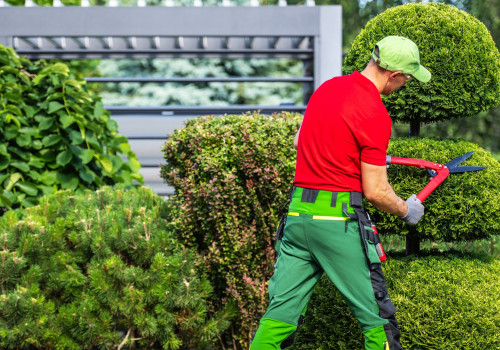
primarily focuses on enhancing the appearance of a tree by removing excess foliage and shaping its structure. This practice is typically performed on trees that are well-established and aims to promote a balanced growth pattern, ensuring that the tree remains visually appealing and safe for its surroundings. On the other hand, tree pruning is a more specialized technique aimed at improving the overall health of the tree.This process involves cutting away dead or diseased branches, which can help prevent the spread of pests and diseases. Pruning also encourages new growth by allowing more sunlight to penetrate the canopy, ultimately leading to a stronger and more resilient tree. Understanding these differences is crucial for any homeowner or landscaper looking to maintain their trees effectively. Both trimming and pruning require specific tools and techniques to ensure that the tree remains healthy after the procedure. Whether you are looking to enhance your landscape's beauty or ensure your trees thrive for years to come, knowing when and how to trim or prune is vital.
In the following sections, we will delve deeper into the specific methods and best practices for both processes, equipping you with the knowledge needed to care for your trees properly.
When to Trim and Prune Trees
Understanding when to trim and prune trees is essential for maintaining their health and promoting optimal growth. The timing of these activities can significantly influence the tree's ability to thrive and recover.Best Time to Trim Trees
- Late Winter to Early Spring: This is often considered the best time for most tree species. During this period, trees are still dormant, which minimizes stress and allows for quicker healing after cuts.
- Summer: Light pruning can be beneficial during the summer months, especially for removing dead or diseased branches. This helps improve air circulation and sunlight penetration.
- Fall: Generally, it is not advisable to prune in the fall as trees prepare for dormancy.
However, if you need to remove hazardous branches, it can be done with caution.
Seasonal Tree Care
The seasonal cycle of a tree plays a crucial role in determining the right time for trimming and pruning. Each season brings different growth patterns:
- Spring: Trees begin to bud and grow new leaves. Pruning during this time can hinder growth.
- Summer: Trees are in full leaf, making it easier to see their structure. This is a good time for maintenance pruning.
- Autumn: As leaves fall, it’s easier to assess the tree’s structure but avoid heavy pruning.
- Winter: Dormant trees are less susceptible to disease, making this an ideal time for major pruning tasks.
Tree Growth Cycles
Different species of trees have unique growth cycles that affect when they should be pruned.
For instance, flowering trees like cherry or dogwood should be pruned right after they bloom in spring. In contrast, deciduous trees that do not flower can be pruned in late winter or early spring before new growth begins.By aligning your tree trimming and pruning efforts with these seasonal cues and growth cycles, you can ensure that your trees remain healthy, vibrant, and well-structured throughout their lifespan.
Tools Needed for Tree Trimming and Pruning
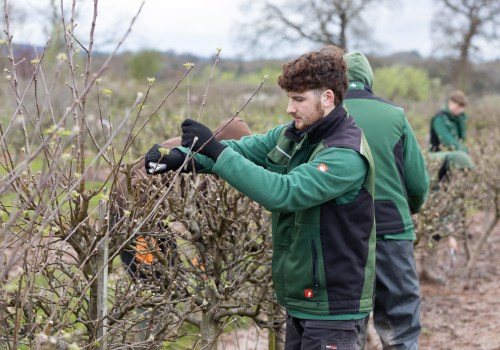
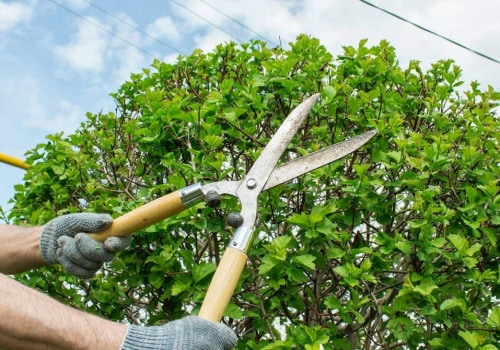
When it comes to tree trimming and pruning, having the right tools is essential for achieving optimal results while ensuring safety. Below is a list of the most important tools you will need:- Pruning Shears: These are essential for making clean cuts on small branches and stems. Look for bypass pruners, which have two blades that slide past each other, allowing for a precise cut.
- Loppers: For thicker branches, loppers provide the leverage needed to make cuts up to 2 inches in diameter.
They come in various sizes, so choose a pair that feels comfortable and manageable.
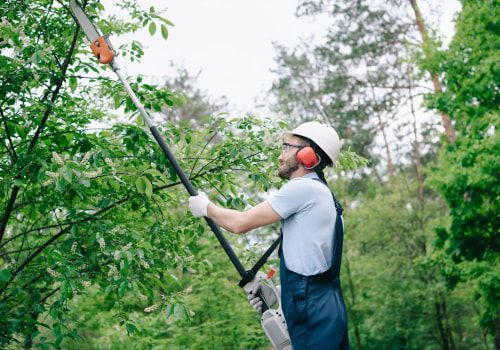
- Saws: A hand saw or a pole saw is necessary for larger branches that cannot be handled by shears or loppers. A pruning saw with a curved blade can make cutting easier and more efficient.
- Chainsaw: For substantial tree trimming tasks, especially when dealing with large limbs or entire trees, a chainsaw is invaluable. Ensure you are trained in its use and always wear protective gear.
- Safety Gear: Never underestimate the importance of safety equipment. Wear gloves, goggles, and a hard hat to protect yourself from falling debris and sharp tools.
- Tree Climbing Gear: If you need to reach high branches, consider investing in climbing gear such as harnesses and ropes.
This equipment ensures your safety while working at heights.
- Tarps or Drop Cloths: To keep your workspace tidy, use tarps to catch fallen leaves and branches. This makes cleanup easier and helps protect your lawn or garden.
Step-by-Step Process for Trimming Trees
Trimming and pruning a tree is essential for maintaining its health, aesthetics, and safety.Here’s a step-by-step process to effectively trim your trees:
- Assess the Tree: Before you start, evaluate the tree's condition. Look for dead or diseased branches, as well as areas that may be obstructing power lines or structures.
- Gather Tools: Equip yourself with the right tools. Common tools include:
- Hand pruners for small branches.
- Loppers for medium-sized branches.
- Saws for larger limbs.
- Safety gear, such as gloves and goggles.
- Plan Your Cuts: Identify which branches need trimming. Focus on:
- Removing dead or diseased wood.
- Thinning out crowded areas to improve air circulation.
- Shaping the tree to maintain its natural form.
- Make the Cuts: Use proper techniques to ensure healthy growth:
- For small branches, cut just above a bud or lateral branch.
- For larger branches, use the three-cut method: make an undercut, then a top cut, and finally remove the stub.
- Clean Up: After trimming, collect and dispose of debris properly.
This helps prevent pests and diseases from spreading.
Step-by-Step Process for Pruning Trees
Pruning trees is an essential practice that promotes healthy growth and enhances the overall appearance of your landscape. Here’s a step-by-step guide to effectively prune your trees:- Assess the Tree: Before you start, evaluate the tree's health and structure.
Look for dead, damaged, or diseased branches that need removal. Also, consider the tree species, as different types may require specific techniques.
- Gather Your Tools: Equip yourself with the right tools for the job. Essential tools include:
- Hand pruners for small branches (up to ¾ inch in diameter).
- Loppers for medium branches (up to 2 inches in diameter).
- Saws for larger branches.
- Safety gear, such as gloves and goggles.
- Choose the Right Time: The best time to prune most trees is during their dormant season, typically late winter or early spring. This minimizes stress on the tree and reduces the risk of disease.
- Make Clean Cuts: When pruning, always make clean cuts at a slight angle just above a bud or branch junction.
This helps promote healing and reduces the risk of infection.
- Follow Pruning Techniques: Depending on the tree species, use appropriate techniques:
- Crown thinning: Remove select branches to increase light penetration and air circulation.
- Crown raising: Remove lower branches to provide clearance for pedestrians or vehicles.
- Crown reduction: Shorten branches to reduce the overall size of the tree while maintaining its natural shape.
- Avoid Over-Pruning: Be cautious not to remove more than 25% of a tree's canopy in one season, as this can stress the tree and hinder its growth.
- Clean Up: After pruning, collect and dispose of any debris. This helps prevent pests and diseases from spreading.
Common Mistakes in Tree Trimming and Pruning
When it comes to tree trimming and pruning, avoiding common mistakes is essential for maintaining the health and aesthetics of your trees. Here are some frequent errors that can lead to detrimental effects:- Over-pruning: One of the most significant mistakes is removing too much foliage at once.
This can stress the tree and hinder its ability to photosynthesize effectively.
- Improper timing: Pruning at the wrong time of year can expose trees to diseases or pests. For instance, late winter or early spring is often the best time for many species, while others may require summer pruning.
- Using dull tools: Tools that are not sharp can cause jagged cuts, which may lead to infections. Always ensure your pruning shears and saws are well-maintained.
- Neglecting tree structure: Failing to consider the natural shape and growth pattern of the tree can result in an unbalanced appearance. Always aim to maintain a tree's natural form.
- Ignoring safety precautions: Tree trimming can be hazardous.
Not using proper safety gear or failing to assess the surrounding area for potential hazards can lead to accidents.
FAQs About Tree Trimming and Pruning
When it comes to tree trimming and pruning, many homeowners have questions about the best practices and timing. Here are some of the most frequently asked questions:- What is the difference between tree trimming and pruning?
Tree trimming typically refers to the process of cutting back overgrown branches to maintain the shape and health of the tree, while pruning involves removing specific branches to improve the tree's structure, health, and growth. - When is the best time to trim or prune a tree?
The ideal time for tree trimming and pruning varies by species. Generally, late winter or early spring is recommended before new growth begins.However, some trees may benefit from summer pruning to control growth.
- How much can I trim or prune a tree?
A good rule of thumb is to avoid removing more than 25% of a tree's canopy in a single season. Over-pruning can stress the tree and lead to health issues. - Can I prune my trees myself?
While minor trimming can be done by homeowners, it’s advisable to hire a professional for significant pruning tasks, especially for large trees or those near power lines. - What tools do I need for tree trimming and pruning?
Essential tools include hand pruners, loppers, and saws. Ensure that all tools are sharp and clean to make precise cuts and prevent disease transmission.
Conclusion: Key Takeaways on Tree Trimming and Pruning
In summary, tree trimming and pruning are essential practices for maintaining the health and aesthetics of your trees. Understanding the differences between the two is crucial for effective tree care.While trimming focuses on enhancing the tree's appearance and controlling its size, pruning is aimed at removing dead or diseased branches to promote growth and safety. Here are some key takeaways:
- Timing is Everything: The best time for trimming is typically in late winter or early spring before new growth begins, while pruning should be done during the dormant season to minimize stress on the tree.
- Tools Matter: Using the right tools, such as sharp pruning shears, loppers, and saws, ensures clean cuts that promote healing and reduce the risk of disease.
- Know Your Tree: Different species have unique growth patterns and requirements. Researching your specific tree type can guide you in making informed decisions about when and how to trim or prune.
- Safety First: Always prioritize safety by wearing protective gear and considering hiring a professional for large or hazardous trees.