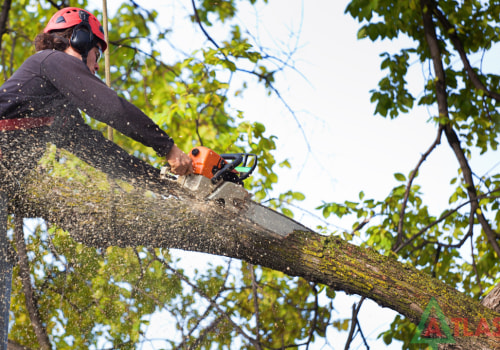
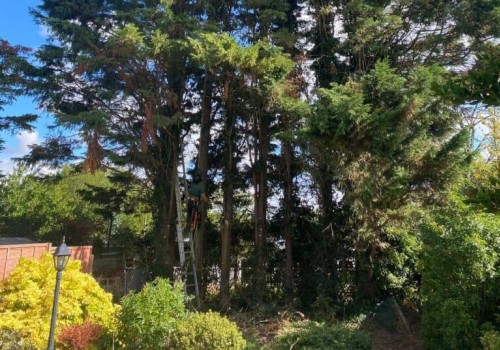
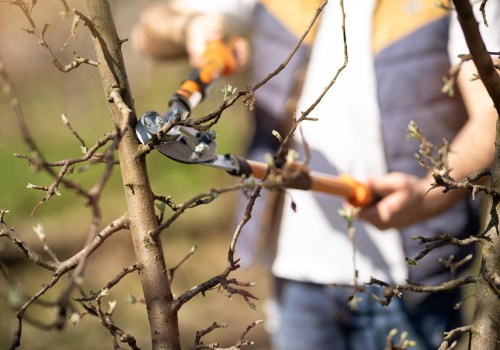
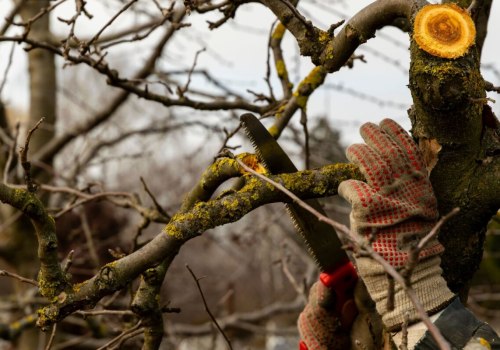
Understanding the nuances of tree trimming and tree pruning is essential for any property owner who values the health and safety of their trees. While these terms are often used interchangeably, they serve distinct purposes in tree care.
Tree trimming
primarily focuses on maintaining the aesthetic appeal and shape of a tree, often involving the removal of excess branches and foliage to promote a more pleasing appearance. In contrast, tree pruning is a more specialized practice aimed at enhancing the tree's health by removing dead or diseased branches, allowing for better air circulation and sunlight penetration. The importance of both practices cannot be overstated.Regular trimming and pruning not only contribute to the visual appeal of your landscape but also play a critical role in preventing potential hazards. Overgrown branches can pose risks during storms, while unhealthy limbs may fall unexpectedly, causing damage to property or injury to individuals. Understanding when these actions are necessary is crucial for maintaining a safe environment. As you delve deeper into this topic, you'll learn how to identify signs that indicate your trees may require emergency trimming or pruning. Recognizing these signs early can save you from costly repairs and ensure that your trees remain healthy and vibrant for years to come.
Signs Your Tree Needs Emergency Trimming or Pruning
Recognizing the signs that your tree needs emergency trimming or pruning is essential for maintaining its health and safety.Here are some key indicators to watch for:
- Broken or Hanging Branches: If you notice branches that are broken, hanging precariously, or completely detached, these pose a significant risk. They can fall unexpectedly, causing injury or damage to property.
- Visible Signs of Disease: Look for unusual discoloration, wilting leaves, or fungal growth on the trunk and branches. These symptoms may indicate that your tree is suffering from a disease that requires immediate attention.
- Cracks in the Trunk: Deep cracks or splits in the trunk can compromise the structural integrity of the tree. If you observe these issues, it’s crucial to consult a professional for an assessment.
- Excessive Leaning: A tree that is leaning significantly to one side may be at risk of toppling over.
This can be caused by root damage or soil erosion, necessitating prompt action.
- Pest Infestation: The presence of pests such as bark beetles or caterpillars can weaken your tree. If you see signs of infestation, it’s important to address the issue quickly to prevent further damage.
Common Causes of Tree Damage
Understanding the common causes of tree damage is essential for maintaining the health and safety of your trees.Various factors can contribute to the deterioration of a tree's condition, leading to the need for tree trimming and pruning.
Environmental Factors
Environmental stressors play a significant role in tree health. Here are some key factors:- Drought: Insufficient water can weaken trees, making them more susceptible to disease and pests.
- Excessive Rain: Over-saturation can lead to root rot and other fungal diseases.
- Extreme Temperatures: Both heatwaves and cold snaps can cause stress, leading to branch dieback.
- Soil Quality: Poor soil conditions, including compaction and nutrient deficiency, can hinder growth.
Pests and Diseases
Pests and diseases are another major cause of tree damage. Identifying these threats early can prevent extensive harm:- Insects: Pests like bark beetles and aphids can weaken trees by feeding on their sap or boring into their bark.
- Fungal Infections: Diseases such as powdery mildew or root rot can spread quickly, especially in stressed trees.
- Bacterial Issues: Bacterial infections can lead to wilting and leaf drop, indicating a serious problem.
Assessing the Severity of Tree Damage
When it comes to tree trimming and pruning, understanding the severity of tree damage is crucial for maintaining the health of your trees.Here are some key indicators to help you assess whether your tree is in need of immediate attention.
Visual Inspection
Start with a thorough visual inspection of the tree. Look for:- Broken or Hanging Branches: These can pose a safety hazard and indicate that the tree may be unstable.
- Cracks or Splits in the Bark: These can be signs of internal damage or disease.
- Dead or Dying Limbs: If a significant portion of the tree is dead, it may require professional evaluation.
- Fungal Growth: Mushrooms or other fungi growing at the base or on the trunk can indicate decay.
Assessing Tree Health
In addition to visual cues, consider the overall health of the tree:- Leaf Color and Size: Yellowing leaves or smaller-than-normal foliage can indicate stress.
- Growth Patterns: Uneven growth or a lopsided appearance may suggest underlying issues.
- Pests: Check for signs of insect infestations, which can weaken the tree.
Evaluating Damage Severity
If you notice any of these signs, it’s important to evaluate how severe the damage is:- Minor Damage: Small broken branches or slight leaf discoloration may only require light pruning.
- Moderate Damage: Larger branches that are broken but still attached may need professional trimming to prevent further injury.
- Severe Damage: If the trunk is cracked or if a large portion of the tree is dead, it’s best to consult an arborist.
When to Call a Professional Arborist
Determining when to seek the expertise of a professional arborist for tree trimming and pruning is crucial for maintaining the health and safety of your trees. While some minor tasks can be handled by homeowners, there are specific situations where hiring a professional is not just advisable but necessary.- Severe Damage or Disease: If your tree has suffered significant damage from storms or shows signs of disease, it’s essential to consult an arborist.
They can assess the extent of the damage and recommend appropriate actions.
- Overgrown Trees: Trees that have outgrown their space can pose risks to nearby structures and power lines. A professional can safely trim these trees to prevent hazards.
- Complex Tree Structures: Trees with multiple trunks or those that are leaning require specialized knowledge for safe trimming. An arborist has the skills to manage these complexities effectively.
- Safety Concerns: If you’re unsure about climbing ladders or using power tools, it’s best to leave the job to professionals. Arborists are trained in safety protocols and have the right equipment to handle high-risk situations.
- Expertise: Arborists possess extensive knowledge about tree biology, which allows them to make informed decisions regarding trimming and pruning.
- Proper Techniques: Professionals use techniques that promote healthy growth and minimize stress on the tree, ensuring its longevity.
- Time-Saving: Hiring an arborist saves you time and effort, allowing you to focus on other important tasks while they handle the work efficiently.
If you encounter any of the situations mentioned above, don’t hesitate to reach out to a qualified tree service.
DIY Tree Trimming and Pruning: Safety Tips and Techniques
When it comes to DIY tree trimming and pruning, safety should always be your top priority. Before you start, ensure you have the right tools and understand the techniques that will keep you safe while effectively caring for your trees.Essential Safety Tips
- Wear Protective Gear: Always wear safety goggles, gloves, and a hard hat to protect yourself from falling branches and debris.
- Check Your Surroundings: Before you begin, assess the area around the tree. Look for power lines, nearby structures, and other hazards that could pose a risk during trimming.
- Use Proper Ladders: If you need to reach higher branches, use a sturdy ladder. Ensure it is on stable ground and never overreach while on the ladder.
- Work with a Partner: Having someone with you can provide assistance in case of an emergency and help manage falling branches.
Tools for Homeowners
Investing in the right tools is crucial for effective tree trimming and pruning.Here are some essential tools every homeowner should consider:
- Hand Pruners: Ideal for small branches and delicate pruning tasks.
- Loppers: These are perfect for cutting thicker branches that are too large for hand pruners.
- Saws: A pruning saw or a pole saw can help you reach higher branches safely.
- Safety Harness: If you're working at heights, a safety harness can provide additional security.
Frequently Asked Questions About Tree Trimming and Pruning
When it comes to tree trimming and pruning, many homeowners have questions about the best practices and timing. Here are some frequently asked questions that can help clarify common concerns.What is the difference between tree trimming and pruning?
Tree trimming generally refers to the process of cutting back overgrown branches to maintain the shape and health of the tree, while pruning involves removing specific branches to improve the tree's structure, health, or fruit production.Both practices are essential for maintaining a healthy landscape.
How often should I trim or prune my trees?
The frequency of trimming and pruning depends on the type of tree and its growth rate. Fast-growing trees may require annual trimming, while slower-growing varieties might only need attention every few years. Regular inspections can help determine the right schedule.What signs indicate that a tree needs trimming or pruning?
- Dead or diseased branches: If you notice branches that are dead, discolored, or have fungal growth, it's time to prune them away.
- Overcrowding: If branches are crossing or crowding each other, they can cause damage and should be trimmed back.
- Growth towards structures: Branches that are growing too close to buildings, power lines, or other structures may need to be trimmed for safety.
- Pest infestations: If pests are present in certain branches, pruning can help eliminate the problem and protect the rest of the tree.
Can I do tree trimming and pruning myself?
While some minor trimming can be done by homeowners with proper tools and safety precautions, it is often best to hire a professional arborist for significant pruning tasks. Professionals have the expertise to make cuts that promote healthy growth and minimize stress on the tree.What time of year is best for tree trimming and pruning?
The ideal time for trimming and pruning varies by species.Generally, late winter or early spring is recommended before new growth begins. However, some trees may benefit from summer pruning to control growth. Always research specific species for optimal timing.If you have further questions about your trees' health or need assistance with trimming and pruning, consider consulting a certified arborist for expert advice tailored to your landscape.
Conclusion: Ensuring Your Trees Stay Healthy and Safe
In conclusion, recognizing when your trees require emergency trimming and pruning is crucial for maintaining their health and safety. Trees that exhibit signs of distress, such as dead or hanging branches, significant leaning, or visible decay, should be assessed promptly.Ignoring these indicators can lead to more severe issues, including property damage or personal injury.Regular maintenance is essential not only for the aesthetic appeal of your landscape but also for the overall vitality of your trees. Here are some key takeaways to ensure your trees remain healthy:
- Monitor Your Trees: Regularly inspect your trees for any signs of damage or disease. Early detection can prevent the need for emergency interventions.
- Understand Seasonal Changes: Be aware that certain times of the year may increase the risk of branch failure, especially during storms or heavy winds.
- Consult Professionals: When in doubt, seek the expertise of a certified arborist who can provide a thorough evaluation and recommend appropriate trimming and pruning techniques.
- Prioritize Safety: If you notice any hazardous conditions, such as branches overhanging power lines or structures, address these issues immediately to avoid accidents.