Understanding the nuances of tree trimming and pruning is essential for anyone looking to maintain the health and beauty of their trees. While these terms are often used interchangeably, they serve distinct purposes in tree care.
Tree trimming
primarily focuses on enhancing the aesthetic appeal of a tree by shaping its canopy and removing excess foliage. This process not only improves the tree's appearance but also allows for better light penetration and air circulation, which are vital for overall health. On the other hand, tree pruning is a more specialized practice aimed at promoting growth and longevity.It involves the careful removal of specific branches to eliminate dead or diseased wood, reduce overcrowding, and encourage healthy growth patterns. Understanding these differences is crucial for homeowners and landscapers alike, as improper techniques can lead to long-term damage or even death of the tree. Both trimming and pruning play significant roles in maintaining not just the visual appeal of your landscape but also the ecological balance within it. Healthy trees contribute to cleaner air, provide shade, and support local wildlife. Therefore, knowing how to identify whether a tree has been properly trimmed or pruned can help ensure that your trees thrive for years to come.
Signs of Proper Tree Trimming
When assessing whether a tree has been properly trimmed or pruned, there are several key indicators to consider.Understanding these signs can help you ensure that your trees are healthy and well-maintained.
- Clean Cuts: One of the most obvious signs of proper tree trimming is the presence of clean, smooth cuts on branches. Jagged or torn edges can indicate improper techniques, which may lead to disease or pest infestations.
- Minimal Wound Size: Proper pruning should minimize the size of wounds on the tree. Large cuts can expose the tree to pathogens and should be avoided. Look for small, well-placed cuts that promote healing.
- Balanced Canopy: A well-trimmed tree will have a balanced canopy, meaning that the branches are evenly spaced and not overcrowded.
This allows for adequate sunlight penetration and air circulation, which are vital for the tree's health.
- Healthy Growth: After trimming, a healthy tree will show signs of new growth in the form of leaves and buds. If a tree appears stunted or shows signs of dieback after pruning, it may not have been done correctly.
- No Suckers or Water Sprouts: Proper pruning should eliminate suckers (shoots that grow from the base) and water sprouts (vertical shoots that grow from branches). Their presence can indicate that the tree is not receiving proper care.
If you notice any signs of disease or decay following a trim, it may be worth consulting with a professional arborist to assess the situation further.By keeping an eye out for these indicators, you can ensure that your trees are not only aesthetically pleasing but also thriving in their environment.
Signs of Proper Tree Pruning
Determining whether a tree has been properly pruned involves observing several key signs that reflect the quality of the work done. Here are some indicators to look for:- Clean Cuts: One of the most significant signs of proper tree trimming and pruning is the quality of the cuts. Pruned branches should have smooth, clean cuts without any jagged edges. This helps the tree heal faster and reduces the risk of disease.
- Minimal Wound Size: The size of the cut should be appropriate for the branch being removed.
Large wounds can lead to decay and other health issues. Ideally, cuts should be made close to the branch collar, which is the swollen area where the branch meets the trunk.
- Balanced Canopy: A well-pruned tree will have a balanced canopy that allows for even sunlight distribution. Look for a tree that maintains its natural shape without excessive thinning or unevenness.
- Healthy Growth Patterns: After pruning, a healthy tree will exhibit new growth in a balanced manner. Look for signs of new shoots and leaves emerging from various parts of the tree, indicating that it is responding well to the pruning.
- No Dead or Dying Branches: Proper pruning should remove any dead or diseased branches, promoting overall health.
If you notice dead branches remaining after pruning, it may indicate inadequate work.
Common Mistakes in Tree Trimming and Pruning
When it comes to tree trimming and pruning, even experienced arborists can make mistakes that may compromise the health of a tree. Understanding these common errors can help you identify poor practices and ensure your trees receive the care they need.1.Over-Pruning
One of the most frequent mistakes is over-pruning, which involves removing too much foliage or cutting back too aggressively.This can lead to stress for the tree, making it more susceptible to disease and pests. A good rule of thumb is to never remove more than 25% of a tree's canopy in a single season.
2.Improper Timing
The timing of trimming and pruning is crucial. Many people make the mistake of pruning at the wrong time of year, which can hinder growth or lead to damage. For instance, pruning spring-flowering trees in late winter can remove buds that would have produced flowers.3.Using Dull Tools
Using dull or inappropriate tools can cause jagged cuts that are difficult for trees to heal.Always ensure that your tools are sharp and clean to make precise cuts that minimize damage.
4.Topping Trees
Topping, or cutting off the top of a tree, is a common mistake that can lead to serious health issues. This practice removes the tree's natural shape and can result in weak regrowth, making it more vulnerable to wind damage and disease.5.Ignoring Tree Species
Different species have unique needs when it comes to trimming and pruning. Failing to consider these differences can lead to improper care. For example, some trees require minimal pruning, while others benefit from regular maintenance.By being aware of these common mistakes in tree trimming and pruning, you can take proactive steps to ensure your trees remain healthy and vibrant for years to come.Best Practices for Tree Trimming and Pruning
When it comes to tree trimming and pruning, following best practices is essential for maintaining the health and aesthetics of your trees.Here are some actionable tips to ensure effective trimming and pruning:
- Understand the Purpose: Before you start, know why you are trimming or pruning. Whether it's to remove dead branches, improve air circulation, or shape the tree, having a clear goal will guide your actions.
- Use the Right Tools: Invest in quality tools such as pruning shears, loppers, and saws. Ensure they are sharp and clean to make precise cuts that promote healing.
- Timing Matters: The best time for tree trimming is during the dormant season (late winter to early spring) for most species. This minimizes stress on the tree and encourages healthy growth in the spring.
- Follow the 1/3 Rule: When pruning, avoid removing more than one-third of a tree's foliage at once.
This helps maintain the tree's health and prevents shock.
- Make Clean Cuts: Always cut just outside the branch collar (the swollen area where a branch meets the trunk). This helps the tree heal faster and reduces the risk of disease.
- Avoid Topping: Topping is the practice of cutting off large sections of a tree's crown. This can lead to weak growth and increased vulnerability to pests and diseases.
Remember, proper tree pruning not only enhances the beauty of your landscape but also contributes to the overall health of your trees.
When to Trim or Prune Your Trees
Understanding the best time to trim trees and the best time to prune trees is essential for maintaining their health and aesthetics. Timing can significantly influence the growth patterns and overall vitality of your trees. Generally, the ideal time for tree trimming is during the late winter or early spring, just before new growth begins. This timing allows you to see the tree's structure clearly without the obstruction of leaves, making it easier to identify any dead or diseased branches that need removal. Additionally, trimming during this period minimizes stress on the tree and encourages robust growth as it enters its active growing season. On the other hand, pruning is often best performed in late winter or early spring as well, but specific types of trees may have different needs:- Deciduous Trees: Prune these trees while they are still dormant, typically in late winter.
This helps prevent sap loss and allows for better healing.
- Flowering Trees: For trees that bloom in spring, such as cherry or dogwood, prune them immediately after flowering to avoid cutting off next year’s buds.
- Evergreens: These can be pruned in late spring or early summer after new growth has emerged, ensuring that you do not remove any new buds.
Tools Needed for Tree Trimming and Pruning
When it comes to tree trimming and pruning, having the right tools is essential for achieving clean cuts and promoting healthy growth.Below is a list of essential tools that every homeowner or professional arborist should consider:
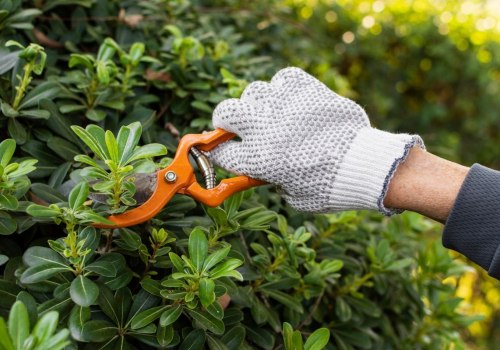
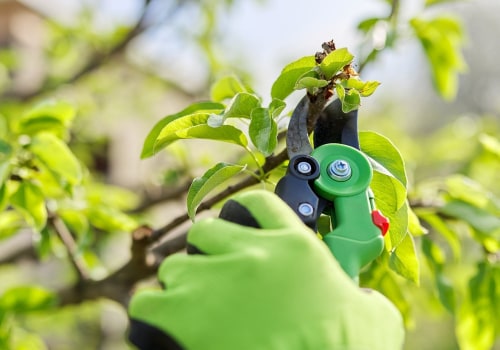
- Hand Pruners: Also known as secateurs, these are ideal for cutting small branches and stems. Look for a pair with a sharp blade and comfortable grip.
- Loppers: These are larger than hand pruners and are designed for cutting thicker branches. They provide extra leverage, making it easier to trim branches up to 2 inches in diameter.
- Saws: For larger branches, a pruning saw is necessary. There are various types, including folding saws and pole saws, which can reach higher branches without the need for a ladder.
- Chainsaw: For extensive tree trimming or removal, a chainsaw may be required.
Ensure you have the proper training and safety equipment when using this powerful tool.
- Hedge Shears: These are perfect for shaping hedges and shrubs. They come in various sizes, so choose one that fits your needs.
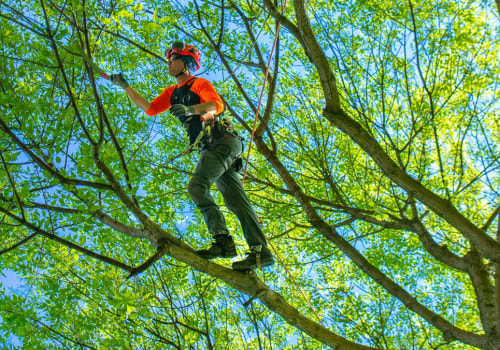
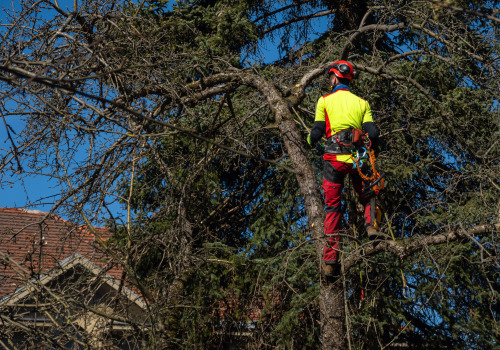
- Safety Gear: Always prioritize safety by wearing gloves, goggles, and a hard hat when working with tree trimming tools. This protects you from falling debris and sharp tools.
FAQs About Tree Trimming and Pruning
When it comes to tree trimming and pruning, many homeowners have questions about the best practices and signs of proper care.Here are some frequently asked questions that can help clarify your concerns:
What is the difference between tree trimming and tree pruning?
Tree trimming generally refers to the process of cutting back branches to maintain the shape and appearance of the tree, while tree pruning focuses on removing dead or diseased branches to promote healthy growth. Understanding this distinction can help you determine what your tree needs.How often should I trim or prune my trees?
The frequency of trimming and pruning depends on the type of tree and its growth rate. Generally, deciduous trees may need pruning every 3-5 years, while evergreens can be trimmed annually. Regular maintenance helps keep your trees healthy and looking their best.What are the signs that a tree has been properly pruned?
- Clean cuts: Look for smooth cuts without jagged edges, which indicate that the pruning was done correctly.
- No stubs: Proper pruning should not leave behind stubs, as these can lead to disease.
- Healthy growth: After pruning, you should see new growth in the following season, indicating that the tree is responding well.
Can I prune my trees myself?
While some minor trimming can be done by homeowners, it’s often best to hire a professional for significant pruning.Professionals have the tools and expertise to ensure that your trees are cared for properly without risking damage.
What time of year is best for tree trimming and pruning?
The ideal time for trimming and pruning varies by species. Generally, late winter or early spring is recommended before new growth begins. However, some trees may benefit from summer pruning to control their size.If you have more questions about tree care, consulting with a certified arborist can provide tailored advice for your specific situation.Conclusion: Ensuring Healthy Trees Through Proper Care
In conclusion, understanding the nuances of tree trimming and pruning is essential for maintaining the health and vitality of your trees. Proper care not only enhances the aesthetic appeal of your landscape but also promotes the overall well-being of the trees. Throughout this article, we have explored various techniques and indicators that signify whether a tree has been adequately trimmed or pruned.Key takeaways include:
- Correct Timing: Knowing when to trim or prune is crucial. Different species have specific growth cycles, and timing can significantly affect their recovery and growth.
- Proper Techniques: Utilizing the right methods, such as making clean cuts and avoiding excessive removal of foliage, ensures that trees can heal effectively and continue to thrive.
- Health Indicators: Observing signs of stress or disease post-trimming can help you assess whether the procedure was performed correctly. Healthy trees will show new growth and maintain a balanced structure.