When it comes to maintaining the health and aesthetics of your landscape, tree trimming and pruning are essential practices that every homeowner should understand. While these terms are often used interchangeably, they serve distinct purposes in tree care.
Tree trimming
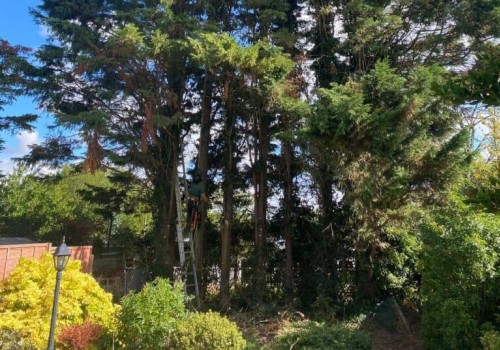
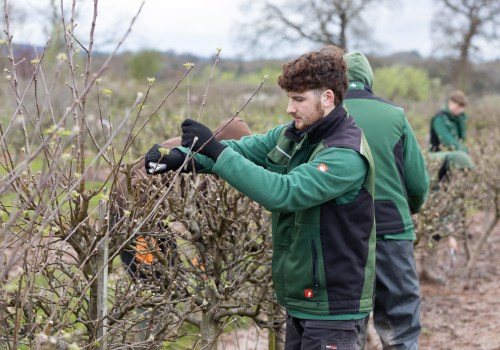
primarily focuses on enhancing the appearance of trees by removing excess foliage and shaping their growth. In contrast, tree pruning is a more specialized technique aimed at promoting healthy growth, removing dead or diseased branches, and improving air circulation within the tree's canopy.Understanding the differences between trimming and pruning is crucial for anyone looking to maintain their trees effectively.Trimming is typically performed on younger trees to encourage a fuller shape and to keep them looking neat. On the other hand, pruning is generally reserved for older trees that require more intensive care to ensure their longevity and vitality. Both practices not only enhance the visual appeal of your yard but also contribute significantly to the overall health of your trees.As we delve deeper into the topic of tree trimming and pruning, it’s important to recognize that these activities come with inherent risks. Proper techniques and safety precautions are vital to prevent accidents and injuries while working with tools and at heights.
In the following sections, we will explore essential safety measures that should be taken when engaging in these important tree care practices.
Why Safety is Crucial in Tree Trimming and Pruning
When it comes to tree trimming and pruning, safety should always be a top priority. The process may seem straightforward, but it involves various risks that can lead to serious injuries or accidents if proper precautions are not taken.Understanding the Risks
- Falling Branches: One of the most significant dangers during tree trimming is the risk of falling branches. As you cut, branches can unexpectedly break off and fall, posing a threat to anyone below.
- Height Hazards: Working at heights increases the risk of falls. Whether using a ladder or climbing the tree, losing balance can lead to severe injuries.
- Power Tools: Chainsaws and other power tools are essential for effective pruning but can be dangerous if not handled correctly.
Improper use can result in cuts or other injuries.
- Electrical Hazards: Trees often grow near power lines. Trimming branches too close to these lines can lead to electrocution or power outages.
The Importance of Safety Measures
To mitigate these risks, implementing safety measures is crucial. Here are some essential precautions:
- Wear Protective Gear: Always wear appropriate safety gear, including helmets, goggles, gloves, and sturdy footwear to protect against falling debris and tool-related injuries.
- Assess the Environment: Before starting any work, evaluate the area for potential hazards such as nearby power lines, unstable ground, or weather conditions that could affect safety.
- Use Proper Techniques: Familiarize yourself with safe cutting techniques and ensure you have a clear plan before beginning the trimming process.
- Have a Spotter: If possible, have someone assist you by keeping an eye on your surroundings while you work. They can alert you to any dangers you might not see.
Remember, taking the time to prepare and follow safety protocols can prevent accidents and make your tree care experience much more enjoyable.
Essential Safety Gear for Tree Trimming and Pruning
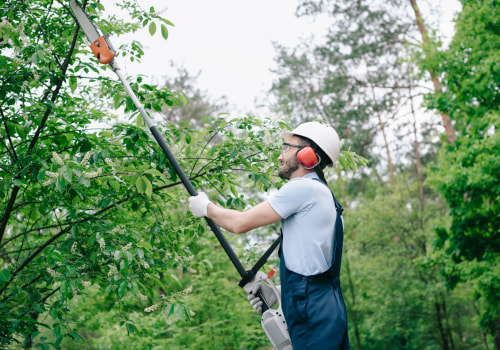
When engaging in tree trimming and pruning, ensuring your safety should be a top priority. The right personal protective equipment (PPE) can significantly reduce the risk of injuries. Here are some essential safety gear items you should consider:- Helmets: A sturdy helmet protects your head from falling branches and debris. Look for helmets that meet safety standards and include a face shield for additional protection.
- Safety Goggles: Protect your eyes from flying wood chips and dust by wearing safety goggles.
Opt for goggles that provide a snug fit and are resistant to impact.
- Gloves: Durable gloves are crucial for protecting your hands from cuts, scrapes, and blisters. Choose gloves made from materials that offer both grip and flexibility, allowing you to handle tools safely.
- Hearing Protection: If you’re using power tools, consider wearing earplugs or earmuffs to protect your hearing from loud noises.
- Harnesses: For high tree work, a safety harness is essential. It should be properly fitted and attached to a secure anchor point to prevent falls.
Sturdy, non-slip footwear is recommended to provide stability on uneven ground. Before starting any trimming or pruning task, take a moment to inspect your gear for any wear or damage. Ensuring that all equipment is in good condition will further enhance your safety while working at heights or with sharp tools.
Preparing Your Work Area
Before you begin tree trimming and pruning, it is essential to prepare your work area to ensure a safe and efficient process. A well-organized workspace minimizes risks and enhances your ability to focus on the task at hand.1.Clear Debris
- Start by removing any debris, such as fallen branches, leaves, or tools that may obstruct your movement.
- Ensure that the ground is free from obstacles that could cause tripping or slipping.
2.Ensure Stable Footing
- Wear appropriate footwear with good traction to prevent slips, especially if the ground is wet or uneven.
- If you are using a ladder, make sure it is placed on stable, level ground and that it is in good condition.
3.Assess Your Surroundings
- Take a moment to evaluate the area around the tree. Look for power lines, nearby structures, or other trees that could pose a hazard during trimming.
- Consider the direction in which branches are likely to fall and ensure that no one is standing in those areas.
4.Create a Safe Work Environment
- If you are working with others, establish clear communication signals to alert each other of any potential dangers.
- Set up a designated area for tools and equipment to avoid clutter and confusion while working.
Techniques for Safe Tree Trimming and Pruning
When it comes to tree trimming and pruning, employing safe techniques is crucial to prevent accidents and ensure the health of the tree.Here are some effective methods to consider:
- Assess the Tree: Before starting, evaluate the tree's condition. Look for dead branches, signs of disease, or structural weaknesses. This assessment will guide your trimming strategy.
- Use the Right Tools: Ensure you have the appropriate tools for the job, such as pruning shears, loppers, and saws. Keep them sharp and well-maintained to make clean cuts.
- Wear Protective Gear: Always wear safety goggles, gloves, and a hard hat if working on larger trees.
This gear protects you from falling debris and sharp tools.
Proper Cutting Techniques
Utilizing proper cutting methods is essential for both safety and tree health:- The Three-Cut Method: For larger branches, use the three-cut method to prevent bark tearing. First, make an undercut about a third of the way through the branch. Next, make a top cut further out from the trunk until the branch falls. Finally, trim the remaining stub at the trunk.
- Avoid Topping: Topping a tree can lead to severe damage and health issues.
Instead, focus on selective pruning to maintain shape and promote growth.
Avoiding Accidents While Pruning
To minimize risks during tree trimming and pruning, follow these safety tips:- Work with a Partner: If possible, have someone assist you. They can help hold ladders or provide support in case of an emergency.
- Be Aware of Your Surroundings: Check for power lines, nearby structures, and other hazards before you start cutting.
- Stay Grounded: Use ladders safely by ensuring they are stable and positioned correctly. Avoid overreaching while on a ladder.
When to Call a Professional Arborist
While tree trimming and pruning can be a rewarding task for homeowners, there are specific situations where it is advisable to call a professional arborist. Understanding when to seek expert help can not only ensure the safety of your property but also promote the health of your trees.Complexity of the Job
If the job involves large trees, especially those that are close to power lines or structures, it is best to hire a professional.Arborists are trained to handle complex cuts and can safely navigate the risks associated with working at heights or near electrical hazards.
Health of the Tree
When dealing with diseased or damaged trees, a professional arborist can assess the situation accurately. They possess the knowledge to determine whether a tree can be saved through proper pruning or if it needs to be removed entirely. This expertise is crucial in preventing further damage to surrounding plants and ensuring the overall health of your landscape.Time and Equipment
Tree trimming and pruning require specific tools and equipment that may not be readily available to homeowners. Professionals come equipped with the right gear, such as chainsaws, ropes, and safety harnesses, which not only makes the job easier but also safer.If you lack the time or tools necessary for effective tree care, hiring an arborist can be a wise investment.
Benefits of Professional Tree Care
- Expertise: Arborists have extensive training in tree biology and care techniques.
- Safety: Professionals are trained to handle hazardous situations, reducing the risk of injury.
- Long-term Health: Proper pruning by an expert can enhance the longevity and vitality of your trees.
- Insurance: Many professional services are insured, providing peace of mind in case of accidents.
Common FAQs About Tree Trimming and Pruning Safety
When it comes to tree trimming and pruning, safety should always be a top priority. Here are some common questions and answers regarding safety precautions:- What safety gear should I wear while trimming trees?
It is essential to wear appropriate safety gear, including a hard hat, safety goggles, gloves, and sturdy boots. If you are using power tools, consider ear protection as well. - Is it safe to trim trees during bad weather?
No, it is not advisable to trim or prune trees during inclement weather such as rain, snow, or high winds.These conditions can increase the risk of accidents and make the work more hazardous.
- How can I ensure I’m using tools safely?
Always inspect your tools before use. Ensure that saw blades are sharp and in good condition. When using ladders, make sure they are stable and positioned on level ground. - What should I do if I encounter power lines?
If you notice any power lines near the trees you are working on, it is crucial to maintain a safe distance. Contact your local utility company for assistance before proceeding with any trimming or pruning. - Are there specific techniques to minimize injury?
Yes, always use the proper cutting techniques.For instance, when making cuts, ensure you are positioned safely and that your body is clear of falling branches. Use a rope to lower large branches instead of letting them fall freely.
Conclusion: Key Takeaways on Tree Trimming and Pruning Safety
In conclusion, ensuring safety during tree trimming and pruning is paramount for both the individual performing the task and the surrounding environment. By adhering to the guidelines discussed, you can significantly reduce the risk of accidents and injuries.Key takeaways include:- Wear appropriate safety gear: Always use protective equipment such as gloves, goggles, hard hats, and sturdy footwear to shield yourself from falling debris and sharp tools.
- Assess the tree and surroundings: Before starting, evaluate the tree's condition and the area around it.
Look for power lines, unstable branches, or other hazards that could pose a risk.
- Use the right tools: Ensure that your tools are well-maintained and suitable for the job. Dull or inappropriate tools can lead to accidents and poor cuts.
- Follow proper cutting techniques: Familiarize yourself with safe cutting methods to prevent injury. For instance, always cut branches at a safe angle and avoid overreaching.
- Consider hiring professionals: If the job seems too complex or dangerous, don’t hesitate to call in certified arborists who have the expertise and equipment to handle tree work safely.