Tree trimming and pruning are essential practices for maintaining the health and aesthetics of trees. These techniques not only enhance the visual appeal of your landscape but also play a crucial role in promoting the overall vitality of the tree. Regular tree trimming helps to remove dead or diseased branches, allowing for better air circulation and sunlight penetration, which are vital for a tree's growth. Additionally, pruning encourages the development of strong, healthy branches, ensuring that the tree can withstand environmental stresses such as wind and heavy snowfall. The benefits of pruning extend beyond mere aesthetics; they significantly contribute to the longevity and resilience of trees.
By selectively removing certain branches, you can direct the tree's energy towards healthier growth, ultimately leading to a more robust structure. This practice is particularly important for young trees, as it helps shape their form and encourages a strong foundation. Furthermore, well-maintained trees are less susceptible to pests and diseases, reducing the need for chemical treatments that can harm the environment. However, while tree trimming and pruning are beneficial, it is crucial to understand that excessive cutting can lead to detrimental effects. Over-trimming can stress a tree, making it vulnerable to disease and even death.
As we delve deeper into this topic, we will explore the fine line between effective maintenance and harmful practices, ensuring that your trees remain healthy and thriving.
Understanding Tree Biology
To understand the implications of tree trimming and pruning, it is essential to grasp the fundamental aspects of tree biology. Trees are complex organisms that have evolved intricate systems for growth and survival. Their anatomy consists of various parts, each playing a critical role in their overall health.Tree Anatomy
includes key components such as:- Roots: Anchor the tree and absorb water and nutrients from the soil.
- Trunk: Provides structural support and transports nutrients between the roots and leaves.
- Branches: Extend from the trunk, supporting leaves and flowers, and facilitating photosynthesis.
- Leaves: The primary site for photosynthesis, converting sunlight into energy.
When trees are pruned, especially if done excessively, it can disrupt this natural growth process.
How Trees Grow
: Trees grow in height and width through two main processes:- Primary Growth: Involves the elongation of stems and roots, occurring at the tips of branches and roots.
- Secondary Growth: Involves the thickening of stems and roots, allowing trees to gain strength and support as they mature.
What is Tree Trimming and Pruning?
Understanding the difference between tree trimming and pruning is essential for maintaining the health and aesthetics of your trees.While both practices involve cutting branches, they serve different purposes and are executed using distinct techniques.
Definitions
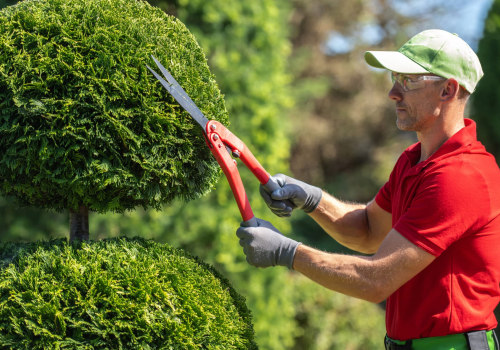
Tree trimming primarily focuses on enhancing the appearance of a tree. This process involves removing excess foliage and shaping the tree to achieve a desired look. It is often performed for aesthetic reasons, such as maintaining a neat landscape or ensuring that trees do not obstruct views or structures.On the other hand, pruning is a more technical practice aimed at improving the health and growth of a tree. This method involves selectively removing branches to promote better air circulation, sunlight penetration, and overall tree vitality.Pruning can also help eliminate dead or diseased branches, reducing the risk of pest infestations and diseases.
Techniques
The techniques used in tree trimming and pruning vary significantly:- Tree Trimming:
- Shaping: Cutting back branches to create a uniform shape.
- Thinning: Removing some branches to reduce density without altering the overall shape.
- Pruning:
- Crown Cleaning: Removing dead or dying branches to improve health.
- Crown Thinning: Selectively removing branches to allow light and air to reach the inner canopy.
- Crown Raising: Removing lower branches to provide clearance for pedestrians or vehicles.
Signs of Over-Trimming or Pruning
Recognizing the signs of over-trimming or pruning is crucial for maintaining the health of your trees. When a tree is pruned excessively, it can exhibit several symptoms that indicate stress and potential damage.- Leaf Discoloration: One of the first signs of a stressed tree is yellowing leaves. This can indicate that the tree is struggling to photosynthesize effectively due to the loss of foliage.
- Reduced Growth: If a tree has been over-pruned, you may notice a significant decrease in new growth during the growing season.
Healthy trees typically produce new shoots and leaves, so a lack of growth can be a red flag.
- Dieback: Over-trimming can lead to dieback, where the tips of branches begin to die off. This occurs because the tree is unable to sustain its energy needs after losing too much foliage.
- Increased Vulnerability: Trees that have been excessively pruned may become more susceptible to pests and diseases. Look for signs of infestation or fungal growth, which can further compromise tree health.
- Weak Structure: A tree that has been pruned too much may develop a weak structure, leading to an increased risk of branch failure. This can be particularly dangerous during storms or high winds.
Consulting with an arborist can provide insights into the best course of action for restoring your tree's health and preventing further damage.
Potential Damage from Excessive Trimming
Excessive tree trimming and pruning can lead to significant damage, affecting not only the aesthetic appeal of the tree but also its overall health and longevity. When too much foliage is removed, the tree can experience a range of stress responses that may ultimately compromise its vitality.One of the primary effects of over-trimming is the disruption of the tree's ability to photosynthesize effectively. Leaves are essential for this process, as they convert sunlight into energy. Removing too many leaves can starve the tree, leading to weakened growth and increased susceptibility to diseases.Stress Responses
- Increased Vulnerability: A tree that has been excessively pruned may become more vulnerable to pests and diseases.
The wounds created during trimming can serve as entry points for pathogens.
- Growth Imbalance: Over-trimming can result in an imbalance in growth, where certain branches may grow excessively while others struggle to survive. This uneven growth can lead to structural issues.
- Shock: Trees can go into shock after significant pruning, exhibiting symptoms such as wilting leaves or stunted growth. This shock can take time to recover from, if at all.
In severe cases, this can lead to a condition known as dieback, where branches begin to die off starting from the tips and moving inward.In conclusion, while tree trimming and pruning are essential for maintaining tree health and aesthetics, it is crucial to approach these practices with caution. Understanding the potential damage from over-trimming can help ensure that trees remain healthy and vibrant for years to come.
Best Practices for Safe Tree Trimming and Pruning
When it comes to tree trimming and pruning, following best practices is essential to ensure the health and longevity of your trees. Proper techniques not only promote growth but also minimize the risk of damage or death to the tree.Timing is Key
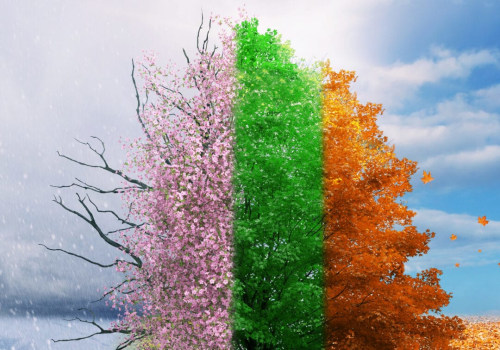
One of the most critical aspects of safe tree trimming is timing. The best time to prune most trees is during their dormant season, typically late winter to early spring.This timing helps reduce stress on the tree and allows for quicker healing. However, some species may require specific timing, so it’s important to research the particular needs of your trees.
Essential Tools
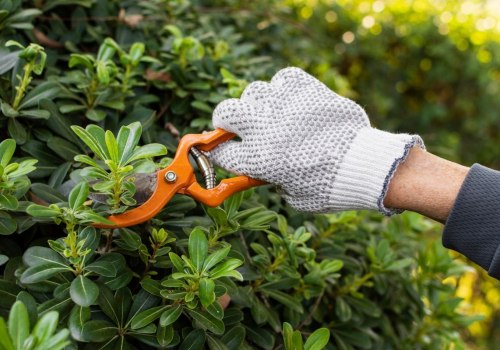
Using the right tools is vital for effective and safe tree trimming. Here are some essential tools you should have:- Pruning Shears: Ideal for small branches and delicate cuts.
- Loppers: Useful for thicker branches that are too large for shears.
- Saws: A handsaw or chainsaw may be necessary for larger limbs.
- Safety Gear: Always wear gloves, goggles, and a hard hat to protect yourself.
Pruning Techniques
Employing the right techniques can make a significant difference in the outcome of your pruning efforts. Here are some guidelines to follow:- Make Clean Cuts: Always use sharp tools to ensure clean cuts that heal quickly.
- Avoid Topping: Never cut off the top of a tree indiscriminately; this can lead to weak growth and increased vulnerability.
- Follow the 1/3 Rule: When pruning, avoid removing more than one-third of a tree's foliage in a single season.
- Remove Dead or Diseased Wood: This helps prevent the spread of disease and encourages healthy growth.
Remember, when in doubt, consult with a professional arborist who can provide expert guidance tailored to your specific trees and environment.
When to Seek Professional Help
When it comes to tree trimming and pruning, knowing when to seek professional help can make a significant difference in the health and longevity of your trees. While some homeowners may feel confident in their ability to manage minor trimming tasks, there are specific situations where hiring a professional arborist is essential.- Severe Damage or Disease: If your tree has suffered from storm damage or shows signs of disease, it’s crucial to consult a professional. An arborist can assess the situation and determine the best course of action, whether that involves careful pruning or even removal.
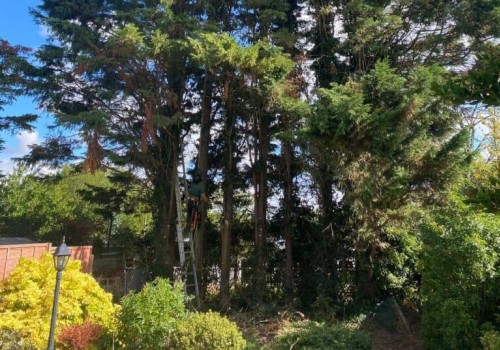
- Large Trees: Trees that are over 15 feet tall often require specialized equipment and expertise for safe trimming. Attempting to prune large trees without proper training can lead to accidents or further damage.
- Complex Tree Structures: Trees with multiple trunks or intricate branching patterns may need expert advice on how to prune effectively.
An arborist can provide insights into which branches should be trimmed to promote healthy growth.
- Timing and Technique: Understanding the right time of year for pruning is vital. Professionals are trained in the best practices for different species, ensuring that your trees are pruned at the optimal time for their health.
- Local Regulations: In some areas, there may be regulations regarding tree trimming, especially for protected species. A professional will be familiar with these laws and can help you avoid potential fines.
FAQs About Tree Trimming and Pruning Risks
When it comes to tree trimming and pruning, many homeowners have questions about the potential risks involved.Understanding these risks can help you make informed decisions about maintaining your trees.
Can you trim a tree too much?
Yes, excessive trimming or pruning can lead to significant damage. Trees rely on their leaves for photosynthesis, and removing too many branches can hinder their ability to produce energy. This can weaken the tree, making it more susceptible to disease and pests.What are the signs of over-pruning?
- Stunted growth: If a tree is not growing as expected, it may be a sign that it has been pruned too aggressively.
- Dieback: Branches that are dead or dying can indicate that the tree is under stress from excessive pruning.
- Weak structure: A tree that has been pruned too much may develop a weak structure, leading to increased risk of breakage during storms.
What are the risks of cutting trees?
The risks associated with cutting trees include:- Increased vulnerability: Trees that are over-pruned may become more vulnerable to environmental stressors such as drought or extreme weather.
- Pest infestations: Open wounds from excessive cuts can attract pests, leading to infestations that can further harm the tree.
- Tree death: In severe cases, over-pruning can lead to the death of the tree, especially if critical branches are removed.
Conclusion: Balancing Aesthetics and Tree Health
In conclusion, understanding the delicate balance between tree trimming and pruning is essential for maintaining both the aesthetic appeal and the health of your trees.While it may be tempting to enhance the visual aspects of your landscape through aggressive trimming, it is crucial to recognize the potential risks associated with over-pruning.Excessive removal of branches can lead to a variety of issues, including:
- Stress on the tree: Trees rely on their leaves for photosynthesis, and removing too many can hinder their ability to produce energy.
- Increased vulnerability: A heavily pruned tree may become more susceptible to pests and diseases, as it lacks the natural defenses provided by a full canopy.
- Structural instability: Over-trimming can result in an unbalanced tree structure, making it more prone to damage from wind or storms.
- Assess tree health: Before any trimming, evaluate the overall health of the tree. Healthy trees can better withstand pruning.
- Follow proper techniques: Use appropriate tools and techniques to minimize stress. Avoid cutting too close to the trunk or removing large branches unnecessarily.
- Consult professionals: When in doubt, seek advice from certified arborists who can provide guidance tailored to your specific tree species and local conditions.