When it comes to maintaining the health and aesthetics of your landscape, understanding tree trimming and pruning is essential. While these terms are often used interchangeably, they serve distinct purposes that can significantly impact the growth and longevity of your trees.
Tree trimming
primarily focuses on enhancing the appearance of trees by removing excess foliage and shaping their structure. This process not only improves the visual appeal of your yard but also promotes better air circulation and sunlight penetration, which are crucial for a tree's overall health. On the other hand, tree pruning is a more specialized practice aimed at removing dead or diseased branches to prevent the spread of pests and diseases.Pruning encourages healthy growth by allowing the tree to allocate resources more effectively, ultimately leading to a stronger and more resilient plant. Understanding these differences is vital for homeowners who wish to take an active role in their tree care. Both trimming and pruning offer numerous benefits, including improved safety by reducing the risk of falling branches, enhanced fruit production in fruit-bearing trees, and increased property value through well-maintained landscaping. However, knowing when to trim or prune—and whether to tackle these tasks yourself or hire a professional—can be daunting. This article will guide you through the intricacies of tree care, helping you make informed decisions that will benefit both your trees and your property.
Benefits of DIY Tree Trimming and Pruning
When considering tree trimming and pruning, many homeowners weigh the option of doing it themselves versus hiring a professional.One of the most compelling reasons to take on this task yourself is the potential for significant cost savings. Professional tree services can be expensive, often charging hundreds of dollars depending on the size and number of trees. By choosing to trim or prune your own trees, you can allocate those funds towards purchasing essential tools or even other home improvement projects.Another advantage of DIY tree trimming is the personal satisfaction that comes from completing a project on your own. There’s a unique sense of accomplishment that arises from seeing the immediate results of your hard work.
Not only does it enhance your property’s curb appeal, but it also allows you to connect with your landscape in a meaningful way. You’ll gain a deeper understanding of your trees’ health and growth patterns, which can be incredibly rewarding.Moreover, engaging in tree trimming and pruning as a DIY project can be an excellent opportunity for learning. As you research proper techniques and best practices, you’ll become more knowledgeable about tree care, which can lead to better maintenance in the long run. This knowledge empowers you to make informed decisions about your landscape and fosters a greater appreciation for nature.Lastly, DIY tree trimming can also promote physical activity.
It’s a great way to get outside, enjoy fresh air, and engage in exercise while working on your property. Whether you’re climbing ladders or using hand tools, you’ll be actively contributing to your home’s upkeep.In summary, while hiring a professional may seem like the easier route, the benefits of DIY tree trimming and pruning—such as cost savings, personal satisfaction, and the opportunity for learning—make it an appealing option for many homeowners.
When to Consider Hiring a Professional
While tree trimming and pruning can be a rewarding DIY project, there are specific scenarios where hiring a professional is not just advisable but necessary. Understanding these situations can help ensure the safety of both you and your trees.When to Hire a Tree Professional
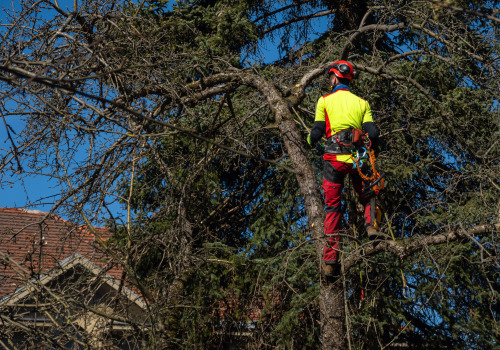
If you find yourself facing any of the following situations, it may be time to call in an expert:- Large or Overgrown Trees: If your trees are over 15 feet tall or have branches that are too high to reach safely, a professional arborist has the equipment and expertise to handle these heights.
- Tree Health Issues: If you notice signs of disease, such as discolored leaves or unusual growth patterns, a professional can diagnose the problem and recommend appropriate treatments.
- Complex Trimming Needs: Trees that require intricate shaping or have multiple trunks may need specialized techniques that professionals are trained to perform.
Signs You Need a Pro
In addition to the above scenarios, look for these signs that indicate it’s time to hire a professional:- Dead or Dying Branches: If branches are dead or pose a risk of falling, it’s crucial to have them removed by someone who understands how to do so safely.
- Proximity to Power Lines: If your trees are near power lines, it’s best to leave trimming to professionals who can navigate these hazards without risking safety.
- Uncertainty About Techniques: If you’re unsure about how to properly prune or trim your trees, hiring an expert can prevent damage and promote healthy growth.
Safety Concerns
Your safety should always be a priority when it comes to tree trimming and pruning. Professionals are equipped with the right tools and safety gear, reducing the risk of accidents.They also understand how to assess the structural integrity of trees and can identify potential hazards that an untrained eye might miss. By hiring a professional, you not only protect yourself but also ensure that your trees receive the care they need without unnecessary risk.
Tools and Techniques for DIY Tree Trimming and Pruning
When it comes to tree trimming and pruning, having the right tools and understanding effective techniques is crucial for achieving healthy and aesthetically pleasing trees. Here’s a breakdown of essential tools and methods you can use for your DIY tree care.Essential Tools for Tree Trimming
- Pruning Shears: Ideal for small branches, pruning shears are essential for making clean cuts that promote healing.
- Loppers: For branches that are too thick for shears, loppers provide extra leverage and can cut through larger limbs.
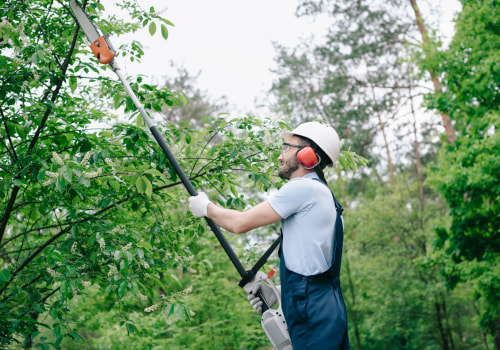
- Saws: A hand saw or a pole saw is necessary for larger branches. Ensure the saw is sharp to make clean cuts.
- Safety Gear: Always wear gloves, goggles, and a hard hat to protect yourself from falling debris.
Effective Pruning Techniques
Understanding how to prune trees correctly is vital to their health.Here are some techniques to consider:
- Thinning: This involves removing select branches to improve air circulation and light penetration, which can enhance overall tree health.
- Heading Back: Cutting back the tips of branches encourages bushier growth. This technique is particularly useful for shaping trees.
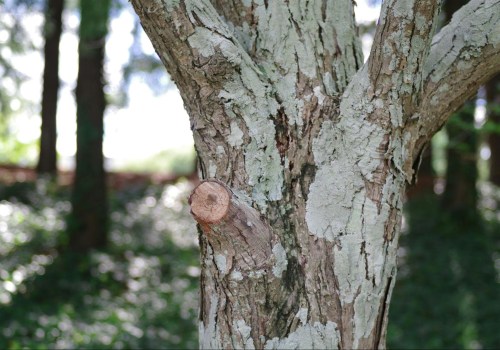
- Crown Reduction: This method reduces the height of a tree while maintaining its natural shape. It’s important to cut back to a lateral branch to avoid damaging the tree.
Common Mistakes in DIY Tree Trimming and Pruning
When it comes to tree trimming and pruning, many homeowners attempt to take matters into their own hands.While DIY projects can be rewarding, there are several common mistakes that can lead to poor results or even harm your trees. Understanding these pitfalls is crucial for maintaining the health and aesthetics of your landscape.
1.Incorrect Timing
One of the most frequent errors is trimming or pruning at the wrong time of year. Different species of trees have specific growth cycles, and pruning at the wrong time can hinder their growth or lead to disease. For instance, late winter or early spring is often ideal for many deciduous trees, while others may require summer pruning.2.Using Dull Tools
Another common mistake is using dull or inappropriate tools.Sharp, clean tools are essential for making precise cuts that promote healing. Dull blades can tear bark and create wounds that invite pests and diseases. Always ensure your tools are well-maintained before starting any trimming or pruning project.
3.Over-Pruning
Over-pruning is a significant concern that can lead to stress on the tree. Removing too much foliage can reduce a tree's ability to photosynthesize, weakening it over time.A good rule of thumb is to never remove more than 25% of a tree's canopy in a single season.
4.Neglecting Safety Precautions
Safety should always be a priority when engaging in tree trimming and pruning. Many DIYers underestimate the risks involved, especially when working with tall trees or using power tools. Always wear appropriate safety gear, such as gloves and goggles, and consider using a harness if you're climbing.5.Ignoring Tree Structure
A common error is failing to consider the natural structure of the tree. Pruning without understanding how a tree grows can lead to unsightly shapes and weak branches.Focus on maintaining the tree's natural form while removing dead or crossing branches. By being aware of these common mistakes in tree trimming and pruning, you can take steps to avoid them and ensure your trees remain healthy and beautiful. If you're ever in doubt, consulting with a professional arborist can provide valuable insights tailored to your specific trees and landscape.
Cost Comparison: DIY vs. Professional Services
When considering whether to trim or prune your own trees or hire a professional, understanding the cost implications is crucial. Both options come with their own financial considerations that can significantly impact your decision.Cost of DIY Tree Trimming
Taking the DIY route can seem appealing due to the potential savings.However, it’s essential to account for all associated costs:
- Tools and Equipment: Basic tools like pruning shears, loppers, and saws can range from $50 to $300, depending on quality and brand.
- Safety Gear: Investing in safety equipment such as gloves, goggles, and helmets is vital. This can add another $50 to $150 to your total.
- Time Investment: Consider the value of your time. A weekend spent trimming trees could be worth more than the cost of hiring a professional.
Professional Tree Service Costs
Hiring a professional tree service typically involves higher upfront costs but can save you time and ensure safety:- Average Costs: Professional tree trimming services generally charge between $200 and $1,000, depending on the size and number of trees.
- Expertise: Professionals bring experience and knowledge, which can prevent costly mistakes that might arise from DIY attempts.
- Insurance and Liability: Reputable services carry insurance, protecting you from potential damages or injuries during the job.
Assessing your budget alongside the complexity of the job will help you make an informed decision.
FAQs About Tree Trimming and Pruning
When it comes to tree trimming and pruning, many homeowners have questions about the best practices and whether they should tackle the job themselves or hire a professional. Here are some frequently asked questions that can help clarify these concerns:What is the difference between tree trimming and pruning?
Tree trimming generally refers to the process of cutting back overgrown branches to maintain the shape and health of the tree, while pruning involves removing specific branches to improve the tree's structure, health, and growth. Understanding this distinction can help you decide which method is appropriate for your trees.Can I trim or prune my own trees?
Yes, you can trim or prune your own trees if you have the right tools and knowledge. However, it’s essential to understand the proper techniques to avoid damaging the tree.If you are unsure about how to proceed, consulting with a professional can save you time and potential harm to your trees.
What tools do I need for tree trimming and pruning?
- Hand pruners: Ideal for small branches.
- Loppers: Useful for thicker branches that are too large for hand pruners.
- Saws: A pruning saw or chainsaw may be necessary for larger limbs.
- Safety gear: Always wear gloves, goggles, and a hard hat when working with trees.
When is the best time to trim or prune trees?
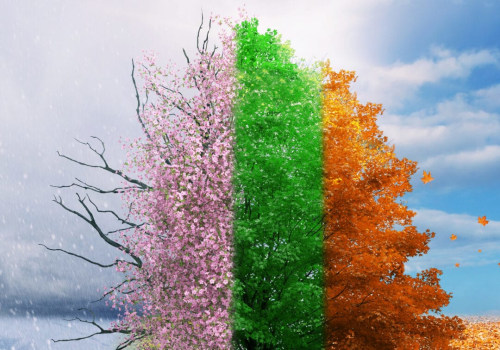
The best time for tree trimming and pruning typically depends on the type of tree. Most deciduous trees are best pruned in late winter or early spring before new growth begins. However, some flowering trees may require pruning right after they bloom. Always research specific species for optimal timing.What are common mistakes to avoid?
- Over-pruning: Removing too much foliage can stress the tree.
- Poor cuts: Make clean cuts at a proper angle to promote healing.
- Ignoring safety: Always prioritize safety by using proper equipment and techniques.
Conclusion: Making the Right Choice for Your Trees
In conclusion, the decision to trim or prune your own trees versus hiring a professional is not one to be taken lightly.Each option has its own set of advantages and disadvantages that can significantly impact the health and appearance of your trees. When considering a DIY approach, it’s essential to evaluate your experience and knowledge of tree care. If you possess the necessary skills and tools, you may find that trimming and pruning can be a rewarding task that enhances your landscape. However, improper techniques can lead to long-term damage, making it crucial to understand the specific needs of each tree species. On the other hand, hiring a professional arborist brings expertise and experience to the table. Professionals are trained to recognize signs of disease, pest infestations, and structural issues that may not be apparent to the untrained eye.
They also have access to specialized equipment that can make the job safer and more efficient. Ultimately, your choice should depend on several factors:
- Your Skill Level: Are you comfortable using pruning tools and climbing ladders?
- The Size and Type of Trees: Larger or more complex trees often require professional intervention.
- Your Budget: DIY may save money upfront, but consider potential long-term costs of mistakes.
- Time Commitment: Do you have the time to dedicate to learning proper techniques?