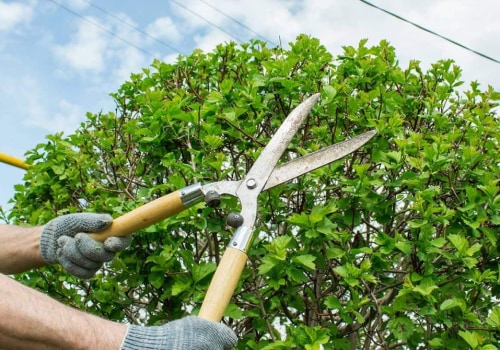
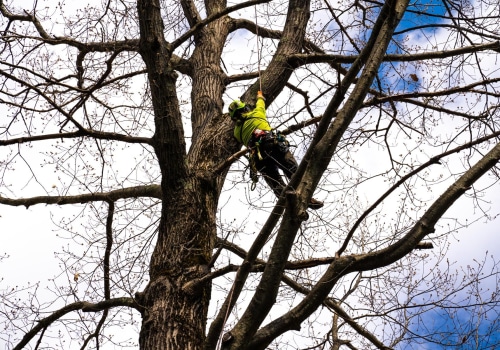
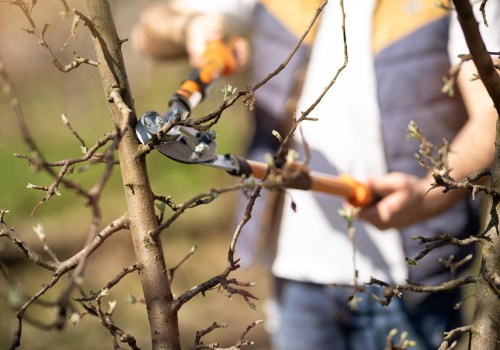
Tree trimming and pruning are essential practices for maintaining the health and aesthetics of trees in both residential and commercial landscapes. These activities not only enhance the visual appeal of your property but also promote the overall vitality of the trees. Regular tree trimming helps to remove dead or diseased branches, allowing for better air circulation and sunlight penetration, which are crucial for a tree's growth. Similarly, tree pruning focuses on shaping the tree and encouraging healthy growth patterns, ensuring that it remains strong and resilient against environmental stressors. However, while the benefits of tree trimming and pruning are significant, it is important to recognize that these practices come with inherent risks.
Improper techniques or lack of knowledge can lead to severe damage to the tree, potentially compromising its health and stability. Additionally, there are physical dangers involved in the process, such as falling branches or accidents with equipment. Understanding these risks of tree trimming and dangers of tree pruning is crucial for anyone considering undertaking these tasks themselves or hiring a professional. This article will delve deeper into the various risks associated with tree trimming and pruning, providing insights on how to mitigate them effectively. By being informed about the potential dangers, you can make better decisions that ensure both your safety and the well-being of your trees.
Common Risks Associated with Tree Trimming and Pruning
Engaging in tree trimming and pruning can significantly enhance the health and appearance of your trees, but it also comes with its share of risks.Understanding these potential dangers is crucial for anyone considering these activities. One of the most common risks associated with tree trimming is the possibility of injury. Working at heights, especially when using ladders or climbing gear, can lead to falls. According to safety statistics, falls are one of the leading causes of injuries in tree care. To mitigate this risk, it is essential to use proper equipment and techniques, and when in doubt, hire a professional. Another significant hazard is the risk of electrical shock.
Trees that grow near power lines can pose a serious threat during trimming. Contact with live wires can result in severe injuries or even fatalities. Always check for nearby power lines before starting any trimming work and consider hiring a certified arborist for trees in close proximity to electrical sources. Additionally, improper pruning techniques can lead to long-term damage to the tree itself. Over-pruning or making incorrect cuts can stress the tree, making it susceptible to diseases and pests.
It’s important to understand the right methods for pruning trees, including knowing when and how much to trim. Lastly, there are environmental risks to consider. Trimming trees during certain seasons can disrupt local wildlife habitats. Birds may be nesting in branches that you plan to cut, which could lead to unintended consequences for local ecosystems. Always check for wildlife activity before proceeding with any trimming. In summary, while tree trimming and pruning are beneficial practices, they come with inherent risks that should not be overlooked.
Proper safety measures, awareness of surroundings, and knowledge of tree biology are essential for minimizing these dangers.
Physical Injuries from Improper Techniques
Tree trimming and pruning are essential practices for maintaining the health and aesthetics of trees, but they come with inherent risks, particularly when improper techniques are employed.Physical injuries
can occur, often resulting from a lack of knowledge, inadequate training, or failure to use the right equipment.One of the most common pruning accidents involves falls. When working at heights, such as on ladders or in trees, individuals risk losing their balance or experiencing equipment failure. According to safety statistics, falls account for a significant percentage of injuries in tree care.To mitigate this risk, it is crucial to use stable ladders and harnesses designed for tree work.Another prevalent danger is the use of sharp tools. Chainsaws, pruning shears, and other cutting instruments can cause severe lacerations if not handled properly.
Improper techniques
, such as cutting branches that are too large or using dull blades, can lead to accidents. Always ensure that tools are well-maintained and that users are trained in their safe operation.- Common injuries from improper tree trimming:
- Falls from heights
- Lacerations from sharp tools
- Strains and sprains from overexertion
- Electrical hazards when working near power lines
This includes wearing appropriate personal protective equipment (PPE) such as helmets, gloves, and eye protection. Additionally, understanding the specific techniques for different types of cuts—such as the three-cut method for large branches—can significantly reduce the risk of injury.In conclusion, while tree trimming and pruning are necessary for tree health, they pose various risks that can lead to physical injuries. By prioritizing safety and employing proper techniques, individuals can minimize these dangers and ensure a safer working environment.
Environmental Risks and Impact on Ecosystems
Tree trimming and pruning are essential practices for maintaining the health and aesthetics of trees, but when done improperly, they can pose significant environmental risks and negatively impact local ecosystems. Understanding these risks is crucial for responsible tree care.Disruption of Wildlife Habitats
- Many tree species provide critical habitats for various wildlife, including birds, insects, and small mammals.
Improper pruning can lead to the destruction of nests and breeding grounds, disrupting local wildlife populations.
- Removing too many branches or foliage can also reduce food sources for animals that rely on fruits, nuts, and leaves.
Soil Erosion and Health
- Tree roots play a vital role in maintaining soil structure and preventing erosion. Excessive trimming can weaken a tree's root system, making the soil more susceptible to erosion during heavy rains.
- This erosion can lead to sediment runoff into nearby waterways, harming aquatic ecosystems by increasing turbidity and reducing light penetration.
Spread of Diseases
- Improper techniques in tree trimming and pruning can create wounds that serve as entry points for pathogens. This not only affects the individual tree but can also lead to the spread of diseases to surrounding trees.
- Invasive species may also thrive in areas where native trees have been weakened or removed, further disrupting the local ecosystem.
Alteration of Microclimates
- Trees contribute to local microclimates by providing shade and regulating temperature. Over-trimming can alter these conditions, affecting not only the trees themselves but also the plants and animals that depend on them.
- This change can lead to increased temperatures in urban areas, exacerbating heat island effects and impacting overall biodiversity.
Responsible tree care should prioritize the preservation of local ecosystems to ensure a balanced coexistence between nature and human activities.
Legal and Liability Issues in Tree Care
When it comes to tree trimming and pruning, understanding the potential legal and liability issues is essential for both homeowners and professionals. Engaging in tree care without proper knowledge can lead to various legal complications.Legal Issues in Tree Trimming
- Property Damage: If a tree trimming job results in damage to neighboring properties, the homeowner or service provider may be held liable for repairs. This includes damage caused by falling branches or debris.
- Tree Ownership Disputes: Trees that straddle property lines can lead to disputes over ownership and responsibility for maintenance. It’s crucial to clarify these boundaries before commencing any work.
- Local Ordinances: Many municipalities have specific regulations regarding tree trimming, especially for protected species.
Failing to adhere to these laws can result in fines or legal action.
Liability in Pruning
- Injury Risks: Tree pruning can be hazardous, with risks of injury from falls or equipment. If a worker is injured on the job, liability may fall on the employer unless proper safety measures are in place.
- Negligence Claims: If a tree service fails to perform due diligence—such as not assessing a tree's health before pruning—they may face negligence claims if something goes wrong.
Insurance for Tree Care Services
To mitigate these risks, it is advisable for both homeowners and tree care professionals to secure appropriate insurance coverage. This may include:
- General Liability Insurance: Protects against claims of bodily injury or property damage.
- Workers' Compensation Insurance: Covers medical expenses and lost wages for employees injured on the job.
- Professional Liability Insurance: Offers protection against claims of negligence or failure to deliver services as promised.
FAQs About Tree Trimming and Pruning Risks
When it comes to tree trimming and pruning, many homeowners have questions about the potential risks involved. Here are some frequently asked questions that address common concerns:- What are the main risks of tree trimming?The primary risks include falling branches, injuries from tools, and potential damage to the tree itself.
Improper techniques can lead to stress on the tree, making it susceptible to disease.
- Can I trim my trees myself?While DIY trimming is possible for small branches, it’s advisable to hire a professional for larger jobs. Professionals have the right equipment and expertise to minimize risks.
- What safety gear should I use?If you decide to undertake tree trimming and pruning yourself, ensure you wear protective gear such as gloves, goggles, and a hard hat. This will help protect you from falling debris and sharp tools.
- Are there specific times when trimming is riskier?Yes, trimming during wet or windy conditions increases the risk of accidents. It’s best to choose a calm, dry day for any tree work.
- What are the signs of improper pruning?Look for excessive dieback, weak growth patterns, or fungal infections.
These can indicate that the tree has been improperly pruned, leading to long-term health issues.
Best Practices for Safe Tree Trimming and Pruning
When it comes to tree trimming and pruning, safety should always be the top priority. Following best practices not only protects you but also ensures the health of your trees. Here are some essential guidelines to follow:- Wear Protective Gear: Always wear appropriate safety gear, including gloves, goggles, and a hard hat.
This will protect you from falling branches and sharp tools.
- Use the Right Tools: Ensure that your tools are sharp and well-maintained. Use pruning shears for small branches, loppers for medium-sized limbs, and a chainsaw for larger cuts. Always choose the right tool for the job to minimize accidents.
- Assess the Tree: Before starting, inspect the tree for any signs of disease or damage. Avoid trimming trees that are dead or diseased, as they can pose additional risks.
- Plan Your Cuts: Make a plan for how you will approach the trimming process.
Identify which branches need to be removed and ensure that you have a clear path for debris to fall safely.
- Work from the Ground Up: If possible, avoid climbing ladders or using lifts. Work from the ground and use pole pruners for higher branches to reduce the risk of falls.
- Check Weather Conditions: Avoid trimming during windy or rainy conditions, as this can increase the risk of accidents.
- Have a Spotter: If you're working with larger trees or using power tools, have someone nearby who can assist in case of an emergency.
- Know Your Limits: If a job seems too big or complex, don’t hesitate to call in a professional arborist. They have the expertise and equipment to handle challenging situations safely.
Conclusion: Weighing the Risks vs. Benefits of Tree Trimming and Pruning
In conclusion, tree trimming and pruning are essential practices for maintaining the health and aesthetics of your trees.However, as with any maintenance activity, they come with their own set of risks that must be carefully considered. On one hand, the benefits of tree trimming include improved tree health, enhanced safety by removing dead or hazardous branches, and increased sunlight exposure for surrounding plants. Properly executed pruning can also promote better air circulation and encourage new growth, leading to a more vibrant landscape. On the other hand, the risks associated with pruning can be significant. These include:
- Injury Risks: Improper use of tools can lead to accidents, including cuts or falls.
- Tree Health Risks: Over-pruning or incorrect techniques can stress the tree, making it susceptible to diseases and pests.
- Property Damage: Falling branches during trimming can cause damage to nearby structures or vehicles.
- Environmental Impact: Pruning at the wrong time of year can disrupt local wildlife habitats.
They possess the expertise to assess tree health accurately and execute trimming techniques that promote longevity and vitality. Ultimately, understanding both the risks and benefits of tree trimming and pruning empowers homeowners to make informed decisions that enhance their landscapes while ensuring safety. By weighing these factors carefully, you can enjoy the beauty and health of your trees for years to come.