Tree trimming and pruning are essential practices in the realm of tree care, serving not only to enhance the aesthetic appeal of your landscape but also to promote the overall health and longevity of trees. While many homeowners may view these tasks as mere cosmetic enhancements, they play a crucial role in ensuring that trees remain vigorous and resilient against pests, diseases, and environmental stressors. Understanding the differences between tree trimming and tree pruning is vital for anyone looking to maintain a thriving outdoor space. Tree trimming typically involves the removal of excess branches and foliage to shape the tree and improve its appearance. This process can help prevent overcrowding, allowing sunlight to penetrate through the canopy and reach lower branches.
On the other hand, tree pruning is more focused on the health of the tree itself. It involves cutting back specific branches to remove dead or diseased wood, which can help prevent the spread of disease and encourage new growth. Both practices are integral to maintaining a balanced ecosystem in your yard. As we delve deeper into this topic, it’s important to recognize that while traditional methods of tree trimming and pruning have their merits, there are also innovative alternatives that can achieve similar results with potentially less impact on the tree's structure. Exploring these alternatives not only broadens our understanding of tree care but also opens up new possibilities for maintaining healthy trees in a sustainable manner.
Traditional Tree Trimming and Pruning Methods
When it comes to tree trimming and pruning, traditional methods have stood the test of time, offering reliable techniques that promote healthy growth and aesthetic appeal.Understanding these conventional approaches is essential for anyone looking to maintain their trees effectively.
Traditional Tree Trimming Methods
Traditional tree trimming typically involves several key techniques:- Thinning: This method removes select branches to improve air circulation and light penetration, which can enhance the overall health of the tree.
- Reduction: Involves shortening branches to reduce the size of the tree while maintaining its natural shape. This is particularly useful for trees that have outgrown their space.
- Raising: This technique removes lower branches to provide clearance for pedestrians, vehicles, or structures, ensuring safety and accessibility.
Pruning Techniques
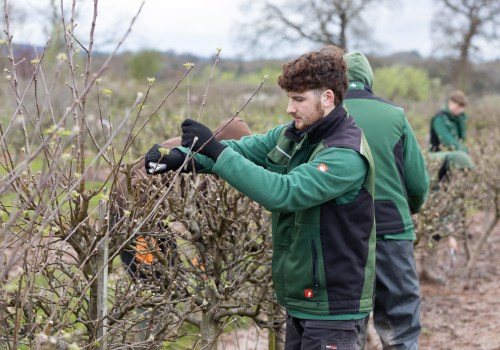
Pruning is a more specific practice within tree trimming that focuses on removing dead or diseased branches. Key pruning techniques include:- Crown Cleaning: This involves removing dead, dying, or diseased branches from the crown of the tree.
- Crown Raising: Similar to raising in trimming, this technique elevates the crown by removing lower branches.
- Crown Reduction: This method reduces the size of the tree's crown while maintaining its natural form.
Benefits of Traditional Methods
The benefits of using traditional tree trimming and pruning methods are numerous:- Healthier Trees: Regular trimming and pruning can prevent disease and promote new growth.
- Aesthetic Appeal: Well-trimmed trees enhance the beauty of landscapes, adding value to properties.
- Safety: Removing hazardous branches reduces the risk of falling limbs during storms or high winds.
Limitations of Traditional Methods
While traditional tree trimming and pruning methods have been widely used for years, they come with several limitations that can negatively impact both the trees and the environment.Understanding these drawbacks is crucial for anyone considering tree care.
Disadvantages of Traditional Pruning
One significant disadvantage of traditional pruning techniques is the potential for over-pruning. This occurs when too much foliage is removed, which can stress the tree and hinder its ability to photosynthesize effectively. Over-pruned trees may become more susceptible to diseases and pests, ultimately leading to their decline.Risks of Tree Trimming
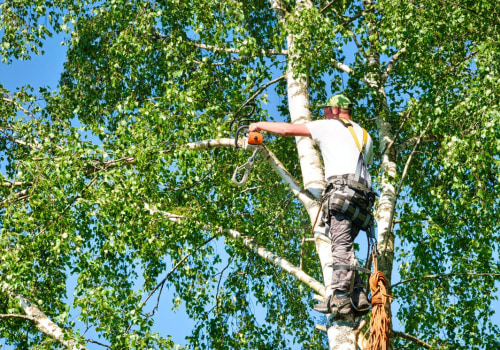
Safety is another critical concern associated with conventional tree trimming. The use of heavy machinery and climbing gear increases the risk of accidents, both for the workers and bystanders.Additionally, improper cutting techniques can lead to injuries or even fatalities. Furthermore, if not done correctly, trimming can result in structural damage to the tree, making it more prone to falling during storms or high winds.
Environmental Impact
The environmental implications of traditional tree trimming practices cannot be overlooked. Excessive pruning can disrupt local ecosystems by removing habitats for birds and other wildlife. Moreover, the disposal of cut branches and leaves often leads to increased waste in landfills, contributing to environmental degradation.In some cases, the chemicals used in maintaining trees post-pruning can leach into the soil and waterways, posing a threat to local flora and fauna. In summary, while traditional tree trimming and pruning methods have their place in tree care, their limitations highlight the need for alternative approaches that prioritize tree health, safety, and environmental sustainability.
Innovative Alternatives to Traditional Tree Trimming and Pruning
As the demand for sustainable practices grows, many tree care professionals and homeowners are exploring innovative alternatives to traditional tree trimming and pruning methods. These alternatives not only promote healthier trees but also align with eco-friendly principles.Eco-Friendly Pruning Techniques
One of the most effective eco-friendly pruning techniques is the use of natural pruning. This method involves allowing trees to grow naturally without excessive interference. By selectively removing only dead or diseased branches, you can maintain the tree's health while minimizing stress.Additionally, using organic mulch around the base of trees can help retain moisture and suppress weeds, reducing the need for frequent trimming.
Technology-Driven Solutions
Advancements in technology have also introduced new methods for tree care. For instance, drones equipped with cameras can assess tree health from above, identifying areas that require attention without the need for invasive climbing or cutting. Furthermore, robotic trimmers are emerging as a viable option for maintaining tree shape and health. These machines can perform precise cuts while minimizing damage to surrounding foliage.Organic Approaches
Another alternative is the use of organic fertilizers and growth stimulants that promote natural growth patterns.These products can enhance a tree's resilience against pests and diseases, reducing the need for frequent pruning. Additionally, incorporating companion planting around trees can create a balanced ecosystem that supports tree health without traditional trimming methods.In conclusion, exploring these modern tree trimming solutions not only benefits the environment but also fosters healthier trees. By adopting innovative practices, we can ensure that our green spaces thrive while minimizing our ecological footprint.
Comparative Analysis: Traditional vs. Alternative Methods
When considering tree trimming and pruning, it is essential to evaluate both traditional and alternative methods to determine which approach best suits your needs.Each method has its own set of advantages and disadvantages that can significantly impact the health and aesthetics of your trees.
Traditional Methods
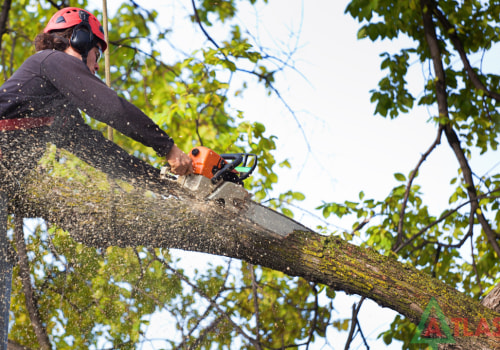
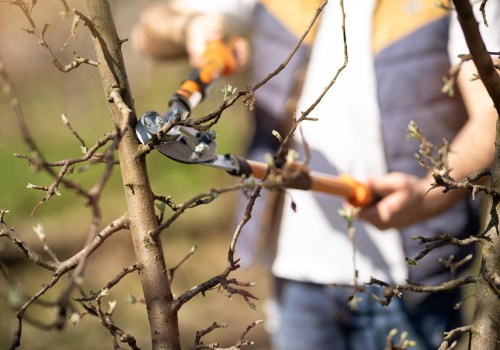
Traditional tree trimming and pruning techniques typically involve manual tools such as hand saws, loppers, and chainsaws. These methods have been used for generations and are often favored for their precision and control.- Pros:
- Allows for detailed work, enabling precise cuts that promote healthy growth.
- Familiarity among arborists ensures a high level of expertise in execution.
- Immediate results can be visually assessed after trimming.
- Cons:
- Labor-intensive, requiring significant physical effort and time.
- Potential for injury if not performed correctly.
- Can lead to excessive stress on the tree if not done properly.
Alternative Methods
In contrast, alternative methods such as tree topping, crown reduction, or even the use of specialized equipment like aerial lifts or robotic pruners are gaining popularity. These techniques can offer unique benefits but also come with their own challenges.- Pros:
- Can be more efficient, reducing the time required for large-scale projects.
- Advanced technology may minimize human error and enhance safety.
- Some methods, like crown reduction, can improve light penetration and air circulation.
- Cons:
- May require specialized training or equipment, increasing costs.
- The risk of improper technique can lead to long-term damage to the tree.
- Less control over precision compared to manual methods.
Expert Opinions on Tree Trimming Alternatives
When considering tree trimming and pruning alternatives, insights from arborists and tree care professionals can provide valuable guidance.Many experts advocate for methods that prioritize the health and longevity of trees while minimizing stress and potential damage.Innovative Techniques
- Natural Target Pruning: This method involves selectively removing branches to enhance the tree's natural shape and growth patterns. Arborists suggest this approach as it reduces the risk of disease and promotes healthier growth.
- Thinning: Instead of heavy pruning, thinning involves removing smaller branches to allow more light and air to penetrate the canopy. Experts recommend this technique for maintaining tree health without compromising its structure.
- Tree Topping Alternatives: Many professionals discourage topping due to its detrimental effects. Instead, they suggest using crown reduction, which maintains the tree's height while preserving its overall health.
They emphasize that tree trimming and pruning should be tailored to individual trees rather than applying a one-size-fits-all approach. Regular assessments by a professional can help determine the best timing and methods for maintenance. Additionally, many experts advocate for organic treatments that can enhance tree resilience against pests and diseases. These treatments often include natural fertilizers and pest deterrents that support overall tree health without harsh chemicals. In conclusion, while traditional methods of tree trimming and pruning have their place, exploring alternative techniques recommended by professionals can lead to healthier trees and more sustainable practices in tree care.
Frequently Asked Questions about Tree Trimming and Pruning Alternatives
When considering tree trimming and pruning alternatives, homeowners often have several questions. Here are some of the most frequently asked questions:- What are the benefits of using alternatives to traditional methods? Alternatives to traditional tree trimming and pruning can be less invasive, promote healthier growth, and reduce stress on the tree.
Techniques such as selective pruning or using natural growth regulators can enhance the tree's natural shape without excessive cutting.
- Are there any eco-friendly options for tree maintenance? Yes! Eco-friendly options include using organic fertilizers, mulch, and natural pest control methods. These practices not only support tree health but also benefit the surrounding ecosystem.
- How can I determine if my tree needs trimming or pruning? Look for signs such as dead or diseased branches, excessive growth that obstructs structures, or a lack of sunlight reaching the lower branches. If you're unsure, consulting with a certified arborist can provide clarity.
- What tools are recommended for alternative pruning methods? For alternative methods, consider using hand pruners, loppers, or saws designed for specific tasks. Additionally, tools like pole pruners can help reach higher branches without the need for climbing.
- Can I perform these alternatives myself? While some alternatives can be DIY projects, it's essential to understand proper techniques to avoid damaging the tree.
For significant work or large trees, hiring a professional is advisable.
Conclusion: The Future of Tree Care Practices
As we conclude our exploration of tree trimming and pruning alternatives, it is essential to recognize the evolving landscape of tree care practices. Traditional methods, while effective, often overlook the broader implications for tree health and environmental sustainability. By embracing innovative techniques, we can enhance the vitality of our trees and contribute positively to our ecosystems.One of the key takeaways is the importance of understanding the natural growth patterns of trees. Techniques such as natural pruning, which involves minimal intervention, allow trees to maintain their structural integrity while promoting healthier growth.This method not only reduces stress on the tree but also encourages a more resilient ecosystem.Additionally, integrating technology into tree care practices can lead to more informed decisions. Tools like drone surveys and advanced imaging can help arborists assess tree health without invasive methods. This data-driven approach enables targeted interventions that prioritize the well-being of the tree.Furthermore, community involvement in tree care initiatives fosters a deeper connection between people and nature. Programs that educate homeowners about sustainable practices empower them to make informed choices regarding their trees, promoting a culture of stewardship.In summary, as we look towards the future of tree trimming and pruning, it is crucial to consider alternatives that prioritize both tree health and environmental sustainability.
By adopting innovative techniques and fostering community engagement, we can ensure that our trees thrive for generations to come.