When it comes to maintaining the health and beauty of your landscape, tree trimming and pruning are essential practices that every homeowner should understand. While these terms are often used interchangeably, they serve distinct purposes in tree care.
Tree trimming
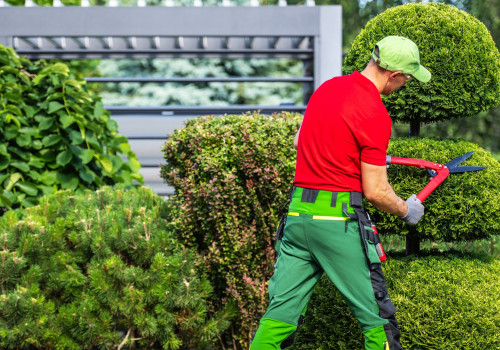
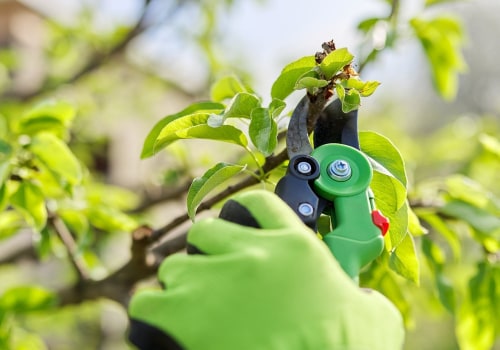
primarily focuses on enhancing the aesthetic appeal of trees by shaping their growth and removing excess foliage. In contrast, tree pruning is a more specialized technique aimed at promoting the overall health of the tree by removing dead or diseased branches, thereby allowing for better air circulation and sunlight penetration. Understanding the difference between these two practices is crucial for ensuring that your trees thrive.Regular trimming can help maintain a tree's natural shape and prevent it from becoming overgrown, which can lead to potential hazards such as falling branches or obstructed views. On the other hand, pruning is vital for addressing specific health issues within the tree, such as disease or pest infestations, which can compromise its structural integrity. By recognizing the importance of both tree trimming and pruning, you can take proactive steps to ensure your trees remain healthy and visually appealing. This foundational knowledge sets the stage for identifying the signs that indicate when your trees need attention, allowing you to act promptly and effectively to preserve their vitality.
Signs That Indicate a Tree Needs Trimming
Recognizing the signs that a tree needs trimming or pruning is essential for maintaining its health and ensuring safety in your landscape. Here are some key indicators to watch for:- Overgrowth: If a tree's branches are growing too close to power lines, buildings, or other structures, it may be time for trimming.
Overgrown branches can pose risks and may need to be pruned back to prevent damage.
- Dead or Dying Branches: Look for branches that are brown, brittle, or devoid of leaves. These are signs that the branch is dead or dying and should be removed to prevent disease from spreading to the rest of the tree.
- Crossing Branches: When branches rub against each other, they can create wounds that invite pests and diseases. Trimming these branches can help maintain the tree's integrity and health.
- Excessive Leaf Drop: If you notice an unusual amount of leaves falling from your tree, it could indicate stress or disease. Pruning can help improve air circulation and sunlight penetration, promoting healthier growth.
- Obstructing Limbs: Branches that obstruct walkways, driveways, or views can be a nuisance.
Regular trimming helps keep these areas clear and enhances the overall aesthetics of your landscape.
- Pest Infestation: If you observe signs of pests on certain branches, such as holes or frass (insect droppings), it may be necessary to prune those affected areas to protect the tree's health.
Signs That Indicate a Tree Needs Pruning
Recognizing the signs that a tree needs pruning is essential for maintaining its health and safety. Here are some key indicators to look out for:- Dead or Dying Branches: If you notice branches that are brittle, discolored, or devoid of leaves, they may be dead or dying. These branches can pose a risk of falling and should be removed promptly.
- Overcrowded Canopy: When branches grow too close together, they can block sunlight and air circulation, leading to poor tree health.
Pruning can help thin out the canopy, allowing for better growth.
- Weak Structure: Trees with multiple leaders or branches that cross each other can develop structural weaknesses. Identifying and pruning these branches can help create a stronger framework.
- Pests and Diseases: Signs of infestation or disease, such as unusual growths, discoloration, or leaf drop, indicate that pruning may be necessary to remove affected areas and prevent further spread.
- Safety Hazards: If branches are overhanging power lines, roofs, or walkways, they pose a safety risk. Regular pruning can mitigate these hazards and ensure safe surroundings.
The best time to prune most trees is during their dormant season in late winter or early spring. This timing minimizes stress on the tree and promotes healthy regrowth.
The Importance of Regular Tree Maintenance
Regular tree maintenance through trimming and pruning is essential for ensuring the health and longevity of your trees. Neglecting these practices can lead to a variety of issues that not only affect the trees themselves but also the surrounding environment and property.One of the primary benefits of regular tree maintenance is improved health. By removing dead or diseased branches, you allow the tree to focus its energy on healthy growth.This proactive approach can prevent the spread of disease and pests, ultimately leading to a stronger, more resilient tree.In addition to health benefits, trimming and pruning enhance the aesthetic appeal of your landscape. Well-maintained trees contribute to a more attractive yard, increasing property value and curb appeal. A neatly shaped tree can serve as a focal point in your garden, while overgrown or unkempt trees can detract from the overall beauty of your outdoor space.Safety is another critical aspect of regular tree maintenance. Overhanging branches can pose risks to structures, vehicles, and even people.
By routinely assessing and trimming trees, you reduce the likelihood of branches breaking off during storms or high winds, which can cause significant damage or injury.To ensure effective tree care, consider these tips:
- Assess regularly: Check your trees for signs of distress, such as discoloration or unusual growth patterns.
- Timing matters: The best time for pruning is typically late winter or early spring before new growth begins.
- Use proper techniques: Familiarize yourself with correct pruning methods to avoid damaging the tree.
- Consult professionals: For large trees or complex issues, hiring an arborist can provide expert guidance and care.
Common Mistakes in Tree Trimming and Pruning
When it comes to tree trimming and pruning, many homeowners make common mistakes that can lead to unhealthy trees or even damage. Understanding these pitfalls is crucial for maintaining the health and aesthetics of your trees.1.Pruning at the Wrong Time
One of the most frequent errors is pruning at the wrong time of year. Different species of trees have specific growth cycles, and pruning during the wrong season can hinder their growth.For instance, many trees should be pruned in late winter or early spring before new growth begins. Always research the best time for your specific tree species.
2.Over-Pruning
Another common mistake is over-pruning, which can stress the tree and lead to a decline in health. Removing too many branches at once can disrupt the tree's natural shape and reduce its ability to photosynthesize effectively. Aim to remove no more than 25% of a tree's foliage in a single season.3.Using Dull Tools
Using dull or inappropriate tools can cause more harm than good.Jagged cuts can lead to disease and pest infestations. Always ensure your tools are sharp and clean before starting any trimming or pruning work.
4.Neglecting Safety Precautions
Safety should always be a priority when working with trees. Failing to wear protective gear or not using ladders safely can result in serious injuries. Always wear gloves, goggles, and a hard hat if necessary, and ensure your ladder is stable before climbing.5.Ignoring Tree Health Signs
Lastly, ignoring signs of tree distress can lead to poor outcomes.Look for signs such as dead branches, peeling bark, or fungal growth, which may indicate that a tree needs more than just trimming. Consulting with an arborist can provide insights into whether pruning is appropriate or if other interventions are needed.By avoiding these common mistakes in tree trimming and pruning, you can ensure that your trees remain healthy and vibrant for years to come.
When to Call a Professional Arborist
While many homeowners can handle basic tree trimming and pruning tasks, there are specific scenarios where it’s best to call in a professional arborist. Understanding these situations can save you time, money, and potential hazards.Signs You Need an Expert
- Severe Damage: If your tree has suffered significant damage from storms or pests, it may require expert assessment. An arborist can determine the extent of the damage and whether the tree can be saved.
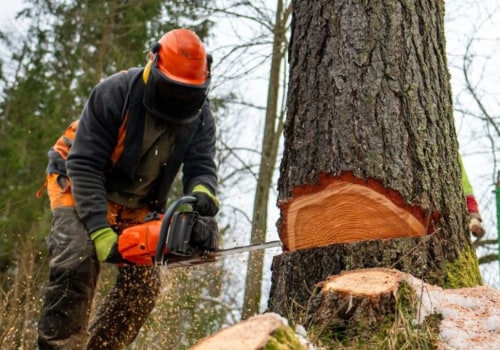
- Large Trees: Trees that are over 15 feet tall often pose safety risks when trimming.
Professionals have the right equipment and training to handle these heights safely.
- Diseased Trees: If you notice signs of disease, such as discolored leaves or unusual growths, an arborist can diagnose the issue and recommend appropriate treatment.
- Structural Concerns: Trees with multiple trunks or those that lean significantly may need expert evaluation to prevent future hazards.
- Permitting Issues: In some areas, local regulations require permits for tree removal or significant pruning. An arborist is familiar with these laws and can navigate the process for you.
Their expertise in professional tree care services can make a significant difference in maintaining your landscape’s health and beauty.
FAQs About Tree Trimming and Pruning
When it comes to tree trimming and pruning, many homeowners have questions about the best practices and signs that indicate their trees need attention. Here are some frequently asked questions:What are the signs that a tree needs to be trimmed?
- Overgrown branches: If branches are encroaching on your home, power lines, or other structures, it’s time for trimming.
- Dead or diseased limbs: Look for branches that are dead, discolored, or show signs of disease. These should be pruned to prevent further issues.
- Weak structure: Trees with multiple trunks or weak branch angles may require pruning to improve stability and health.
- Excessive growth: If your tree is growing too densely, it can hinder sunlight and air circulation, making trimming necessary.
How often should I prune my trees?
The frequency of tree trimming and pruning depends on the species and age of the tree. Generally, young trees benefit from annual pruning to establish a strong structure, while mature trees may only need trimming every 3-5 years.Always assess the tree's health and growth patterns.
Can I trim my trees myself?
While minor trimming can be done by homeowners, it’s advisable to hire a professional for significant pruning tasks. Professionals have the expertise and tools to ensure the job is done safely and effectively.What time of year is best for tree pruning?
The ideal time for tree trimming and pruning varies by species. However, late winter or early spring is generally recommended as trees are still dormant, minimizing stress and promoting healthy growth in the upcoming season.If you have more specific concerns about your trees, consulting with an arborist can provide tailored advice based on your unique situation.Conclusion: Key Takeaways on Tree Care
In summary, recognizing the signs that indicate a tree needs trimming or pruning is essential for maintaining the health and aesthetics of your landscape. By being vigilant and attentive to your trees, you can ensure they thrive and continue to provide benefits for years to come. Here are the key takeaways regarding the signs that your trees may require trimming or pruning:- Dead or Dying Branches: Look for branches that are brown, brittle, or devoid of leaves.
These can pose safety hazards and should be removed promptly.
- Overgrowth: If branches are encroaching on power lines, roofs, or other structures, it’s time to consider trimming. This not only protects your property but also promotes healthy growth.
- Pest Infestation: Trees that show signs of pest damage, such as holes or frass, may need pruning to remove affected areas and prevent further spread.
- Weak Structure: Trees with multiple leaders or weak branch angles may benefit from pruning to enhance their structural integrity and reduce the risk of breakage.
- Seasonal Changes: Regularly assess your trees during seasonal changes. Spring is an excellent time for trimming, while late winter is ideal for pruning.