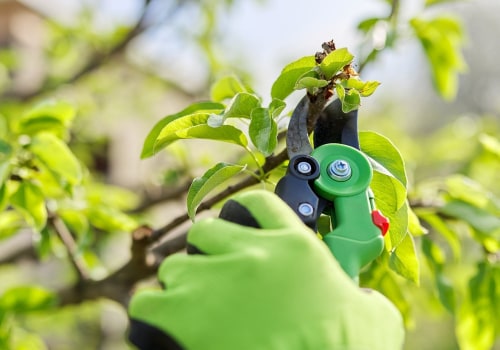
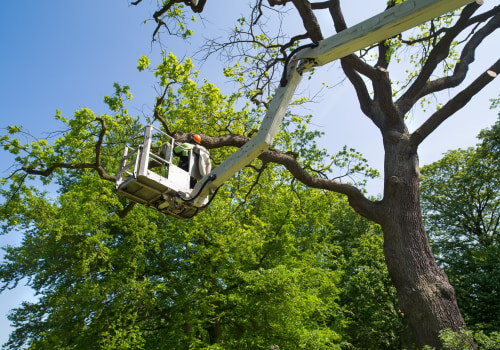
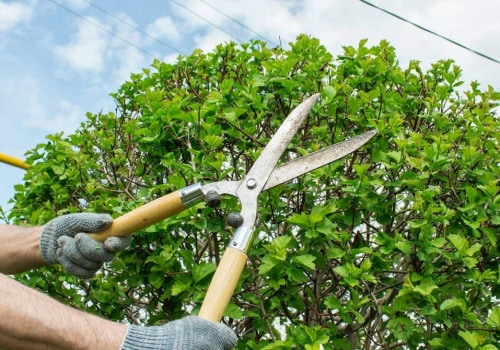
When it comes to maintaining the health and aesthetics of your landscape, understanding the nuances of tree trimming and tree pruning is essential. Both practices play a crucial role in tree care, yet they serve different purposes and are applied in distinct ways. While many homeowners may use these terms interchangeably, recognizing the differences can significantly impact the vitality of your trees and the overall beauty of your yard.
Tree trimming
primarily focuses on enhancing the appearance of trees and shrubs. This process involves cutting back overgrown branches to create a more balanced shape and to promote healthy growth.On the other hand, tree pruning is a more specialized practice aimed at improving the tree's health by removing dead or diseased branches, allowing for better air circulation and sunlight penetration. Understanding these differences is vital for anyone looking to foster a thriving outdoor environment.What is Tree Trimming?
Tree trimming
is a vital practice in maintaining the health and appearance of trees. It involves the selective removal of specific branches to enhance the tree's structure, promote growth, and improve its overall aesthetic appeal.
Unlike pruning, which often focuses on the health of the tree, trimming is primarily concerned with shaping and controlling the size of the tree.The definition of tree trimming can be summarized as the process of cutting back overgrown branches and foliage to ensure that trees remain safe and visually appealing. This practice is typically performed during late winter or early spring when trees are still dormant, minimizing stress on the plant.
Benefits of Tree Trimming
- Aesthetic Improvement: Regular trimming helps maintain a neat appearance, allowing trees to complement landscaping and enhance property value.
- Safety: Removing dead or overhanging branches reduces the risk of falling limbs, which can pose hazards to people and property.
- Encouraging Growth: Trimming can stimulate new growth by allowing more sunlight to reach the inner branches and leaves.
- Pest Control: By removing diseased or infested branches, tree trimming helps prevent pests from spreading to healthy parts of the tree.
- Improved Airflow: Thinning out dense foliage promotes better air circulation, reducing the likelihood of fungal diseases.
What is Tree Pruning?
Tree pruning
is a horticultural practice that involves selectively removing specific parts of a tree, such as branches, buds, or roots. The primary objective of tree pruning is to enhance the tree's health, shape, and overall appearance.
By eliminating dead or diseased branches, pruning helps prevent the spread of pests and diseases, ensuring that the tree can thrive.In addition to promoting health, tree pruning serves several other important purposes:
- Encouraging Growth: Pruning stimulates new growth by allowing more sunlight to reach the inner branches and leaves.
- Improving Structure: Proper pruning techniques can help develop a strong framework for the tree, reducing the risk of breakage during storms.
- Enhancing Aesthetics: Regular pruning maintains a tree's shape and size, contributing to a more visually appealing landscape.
- Increasing Fruit Production: For fruit-bearing trees, pruning can enhance fruit quality and yield by allowing better air circulation and light penetration.
- Crown Thinning: Removing select branches to increase light penetration and air circulation.
- Crown Raising: Removing lower branches to provide clearance for pedestrians or vehicles.
- Crown Reduction: Reducing the size of the tree's canopy while maintaining its natural shape.
Key Differences Between Tree Trimming and Pruning
Understanding the differences between tree trimming and pruning is essential for maintaining the health and aesthetics of your trees.While both practices involve cutting branches, they serve distinct purposes and employ different techniques.
Purpose
The primary purpose of tree trimming is to enhance the appearance of the tree and control its size. This process typically involves removing excess foliage and shaping the tree to achieve a desired look. On the other hand, pruning focuses on the health of the tree. It involves cutting away dead or diseased branches to promote growth and prevent the spread of disease.Techniques
- Tree Trimming: This technique often includes cutting back branches that are overgrown or obstructing pathways.
It is generally less invasive and can be done more frequently.
- Pruning: Pruning requires more precision and knowledge about tree biology. It often involves making cuts at specific angles and locations to encourage new growth and improve air circulation.
Outcomes
The outcomes of these two practices also differ significantly.Tree trimming
results in a more manicured appearance, making it ideal for ornamental trees or those in residential areas. In contrast, pruning leads to healthier trees with stronger structures, which is crucial for fruit-bearing trees or those susceptible to pests.In summary, while both trimming and pruning are vital for tree care, understanding their key differences can help you choose the right approach for your specific needs.Whether you aim for aesthetic appeal or tree health, knowing when to trim or prune will ensure your trees thrive.
When to Trim vs. When to Prune
Understanding when to trim trees and when to prune trees is essential for maintaining their health and aesthetics. The timing of these practices can significantly impact the growth and vitality of your trees.Optimal Timing for Trimming
Tree trimming is generally performed during the late winter or early spring, just before new growth begins. This timing allows for:- Improved visibility: Trimming during dormancy helps you see the tree's structure without the distraction of leaves.
- Healthier growth: Removing dead or overgrown branches encourages new growth in the spring.
- Reduced stress: Trees are less stressed when trimmed during their dormant period.
Best Practices for Pruning
Pruning, on the other hand, is often best done in late winter or early spring as well, but it can also be performed in late summer.The key factors to consider include:
- Type of tree: Some trees, like flowering varieties, may benefit from pruning immediately after they bloom.
- Avoiding disease: Pruning during dry weather can help minimize the risk of disease transmission.
- Encouraging fruit production: For fruit trees, pruning in late winter can enhance fruit yield by allowing more sunlight to reach the branches.
Common Mistakes in Tree Trimming and Pruning
When it comes to tree trimming and pruning, even seasoned gardeners can make mistakes that compromise the health of their trees. Understanding these common errors is crucial for maintaining vibrant and resilient trees.Common Mistakes in Tree Trimming
- Over-trimming: One of the most frequent mistakes is removing too much foliage at once. This can stress the tree and hinder its growth.
- Improper Timing: Trimming at the wrong time of year can lead to sap loss or damage.
It's essential to know the best seasons for different tree species.
- Using Dull Tools: Blunt tools can cause jagged cuts, making trees more susceptible to disease. Always ensure your equipment is sharp and well-maintained.
Common Mistakes in Tree Pruning
- Ignoring Tree Structure: Pruning without considering the natural shape of the tree can lead to an unbalanced appearance and weak branches.
- Neglecting Dead or Diseased Wood: Failing to remove dead or diseased branches can allow pests and diseases to spread, jeopardizing the entire tree.
- Improper Cuts: Making cuts too close to the trunk or leaving stubs can harm the tree. Always cut at a proper angle and just above a bud or branch collar.
By being mindful of these common mistakes, you can ensure your trees remain healthy and thriving for years to come.
FAQs About Tree Trimming and Pruning
When it comes to maintaining the health and aesthetics of your trees, many homeowners have questions about tree trimming and pruning. Here are some frequently asked questions that can help clarify these important practices.What is the main difference between tree trimming and pruning?
Tree trimming generally refers to the process of cutting back overgrown branches to improve the tree's appearance and shape. In contrast, pruning involves removing specific branches to enhance the tree's health, promote growth, or remove dead or diseased wood. Understanding this distinction is crucial for effective tree care.How often should I trim or prune my trees?
The frequency of trimming and pruning depends on the type of tree and its growth rate.Generally, trees should be trimmed every 1-3 years, while pruning may be needed annually or biannually, especially for young trees or those that require more maintenance.
Can I do tree trimming and pruning myself?
While some basic trimming can be done by homeowners using proper tools, pruning often requires more expertise to avoid damaging the tree. If you're unsure, it's best to consult a professional arborist.What tools do I need for trimming and pruning?
- Hand pruners: Ideal for small branches.
- Loppers: Useful for thicker branches.
- Saws: Necessary for larger limbs.
- Safety gear: Always wear gloves and goggles for protection.
Is there a best time of year for trimming and pruning?
The best time to trim or prune trees is typically during late winter or early spring before new growth begins. This timing helps minimize stress on the tree and encourages healthy growth in the upcoming season.If you have more questions about tree trimming and pruning, consider reaching out to a local arborist who can provide tailored advice based on your specific trees and conditions.Conclusion: The Importance of Proper Tree Care
In conclusion, understanding the differences between tree trimming and pruning is essential for maintaining the health and aesthetics of your trees. While both practices involve cutting branches, they serve distinct purposes that can significantly impact the growth and longevity of your trees.Tree trimming
is primarily focused on enhancing the appearance of the tree and ensuring safety by removing overgrown or dead branches.This practice is often performed to shape the tree, allowing for better light penetration and air circulation, which can lead to a healthier canopy. Regular trimming can also prevent potential hazards, such as falling branches during storms. On the other hand, pruning is a more specialized technique aimed at improving the overall health of the tree. It involves removing specific branches to encourage new growth, eliminate diseased or damaged limbs, and promote a strong structure. Pruning is typically done during the tree's dormant season to minimize stress and maximize recovery. Both practices are vital components of proper tree care.
Neglecting either can lead to issues such as disease, pest infestations, or structural weaknesses. Therefore, it is crucial for homeowners and landscapers alike to recognize when to trim and when to prune. Ultimately, investing time in understanding tree trimming and pruning not only enhances the beauty of your landscape but also contributes to the long-term vitality of your trees. By applying these techniques appropriately, you can ensure that your trees remain healthy, safe, and visually appealing for years to come.