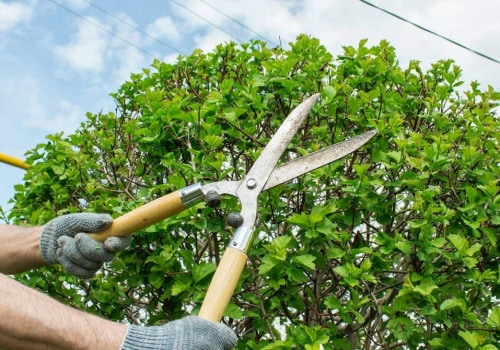
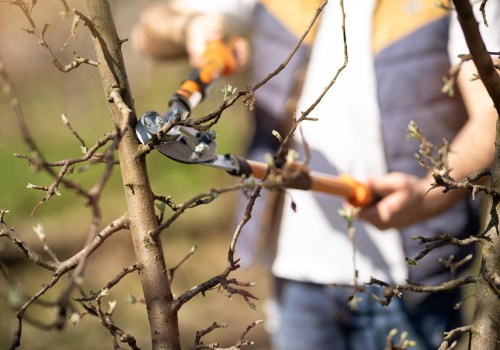
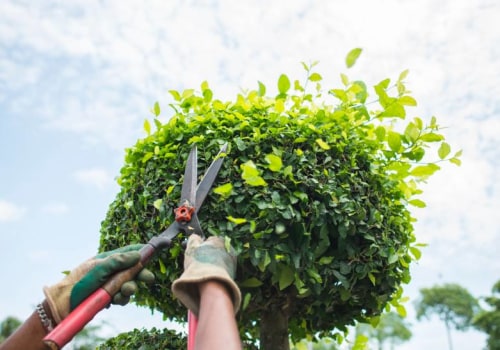
Tree trimming and pruning are essential practices in the realm of tree care, playing a pivotal role in maintaining not only the health of the trees but also their aesthetic appeal. While these terms are often used interchangeably, they serve distinct purposes.
Tree trimming
typically focuses on enhancing the tree's shape and removing excess foliage, while tree pruning is more about removing dead or diseased branches to promote healthy growth. Understanding these differences is crucial for any property owner looking to maintain a vibrant landscape. Properly executed, these practices can lead to stronger trees that are better equipped to withstand environmental stressors.However, when done incorrectly, they can cause significant harm. Improper trimming or pruning can lead to a host of issues, including stunted growth, increased susceptibility to pests and diseases, and even structural instability. This makes it vital for homeowners and landscapers alike to recognize the signs of poor tree care. In the following sections, we will delve deeper into the specific indicators that suggest a tree has been improperly trimmed or pruned. By identifying these signs early on, you can take proactive measures to ensure your trees remain healthy and thriving for years to come.
Common Signs of Improper Tree Trimming
Recognizing the signs of improper trimming is essential for maintaining the health of your trees.When trees are not pruned correctly, they can suffer from a variety of issues that may compromise their vitality and structural integrity. Here are some common indicators that a tree has been improperly trimmed:
- Uneven Cuts: If you notice jagged or uneven cuts on branches, this is a clear sign of poor trimming practices. Proper pruning should leave clean, smooth cuts that promote healing.
- Excessive Thinning: While some thinning is necessary to allow light and air to penetrate the canopy, excessive removal of foliage can lead to stress and weaken the tree. A healthy tree should maintain a balanced canopy.
- Stunted Growth: Trees that have been improperly pruned may exhibit stunted growth or fail to produce new leaves in the spring.
This can be a result of over-pruning or cutting back too much of the tree's structure.
- Dieback: If you observe dead branches or dieback in the tree's canopy, it may indicate that the tree is struggling to recover from improper pruning. This can lead to further decline if not addressed.
- Suckering: An increase in suckers—small shoots that grow from the base or along the trunk—can be a sign of stress due to improper trimming. These suckers often divert energy away from the main growth of the tree.
Indicators of Poor Pruning Techniques
Identifying poor pruning techniques is crucial for maintaining the health of your trees.Several indicators can signal that a tree has been improperly trimmed or pruned, leading to potential long-term damage.
- Jagged Cuts: One of the most noticeable signs of poor pruning is the presence of jagged cuts on branches. Unlike clean, angled cuts that promote healing, jagged edges can expose the tree to disease and pests.
- Tearing of Bark: If you notice that the bark has been torn away during pruning, this is a clear indication of improper technique. Tearing can create wounds that are difficult for the tree to heal, increasing vulnerability to infections.
- Excessive Thinning: While some thinning is necessary for light penetration and air circulation, excessive removal of foliage can stress the tree. A healthy tree should maintain a balanced canopy; if it looks sparse or uneven, it may have been over-pruned.
- Improper Timing: Timing is critical when it comes to tree trimming and pruning.
Pruning during the wrong season can lead to sap loss or inhibit growth. For instance, late winter or early spring is generally ideal for many species, while summer pruning can stress the tree.
- Stubs Left Behind: Leaving stubs after cutting branches is another sign of poor technique. Stubs do not heal properly and can become entry points for pests and diseases.
Long-term Effects of Improper Trimming and Pruning
Improper trimming and pruning can have significant long-term effects on a tree's health and stability.When trees are not trimmed correctly, they may develop a range of issues that can compromise their structural integrity and overall vitality.
Disease Susceptibility
One of the most critical consequences of improper trimming is an increased susceptibility to diseases. When cuts are made incorrectly or at the wrong time, they can create wounds that serve as entry points for pathogens. Trees that are over-pruned may also experience stress, making them more vulnerable to infections and infestations.Structural Instability
Improper pruning can lead to structural instability in trees. For instance, removing too many branches can disrupt the tree's natural balance, leading to a higher risk of breakage during storms or high winds.Additionally, trees that have been poorly pruned may develop weak branch unions, which can result in limbs breaking off unexpectedly.
Growth Patterns
Another long-term effect of improper trimming is the alteration of a tree's growth patterns. Trees rely on their branches for photosynthesis and energy production. If too many branches are removed or if cuts are made incorrectly, the tree may struggle to grow properly, leading to stunted growth or an unbalanced canopy.Increased Maintenance Costs
The consequences of improper trimming often lead to increased maintenance costs over time. Trees that are unhealthy or unstable may require more frequent monitoring, additional treatments for diseases, or even removal if they become hazardous.This not only affects the tree but also incurs costs for homeowners and property managers.In summary, the long-term effects of improper tree trimming and pruning can be detrimental to both the tree's health and safety. Understanding these consequences underscores the importance of employing proper techniques and seeking professional help when necessary.
How to Assess Your Tree's Health After Trimming or Pruning
After tree trimming and pruning, it’s essential to evaluate your tree’s health to ensure it has not suffered from improper techniques. Here are some practical steps to assess your tree's condition:Visual Inspection
Begin with a thorough visual inspection of the tree. Look for the following signs:- Wounds and Cuts: Check for large, jagged cuts or wounds that may indicate improper pruning.
Healthy trees should have clean cuts that heal quickly.
- Excessive Leaf Drop: If you notice an unusual amount of leaves falling off, this could be a sign of stress.
- Discoloration: Look for yellowing or browning leaves, which may indicate that the tree is struggling.
- Pest Infestation: Inspect for signs of pests or disease, such as holes in the bark or unusual growths.
Check for New Growth
A healthy tree will typically show signs of new growth after trimming. Look for:- Budding: New buds should appear within a few weeks after pruning.
- Shoot Growth: Observe if new shoots are developing, indicating that the tree is recovering well.
Monitor Tree Stability
The stability of your tree is crucial. Ensure that:- No Leaning: The tree should stand upright without any noticeable lean.
- No Root Exposure: Roots should remain covered and stable; exposed roots can lead to further issues.
When to Seek Professional Help
If you notice any concerning signs during your assessment, it may be time to consult a professional arborist. They can provide expert advice and treatment options tailored to your tree's specific needs.Regular evaluations after tree trimming and pruning, especially during the growing season, can help maintain your tree's health and longevity.
Frequently Asked Questions About Tree Trimming and Pruning
When it comes to tree trimming and pruning, many homeowners have questions about the best practices and potential pitfalls. Here are some frequently asked questions that can help clarify common concerns:What is the difference between tree trimming and pruning?
Tree trimming generally refers to the process of cutting back branches to shape the tree or maintain its size, while pruning involves removing specific branches to improve the tree's health, encourage growth, or remove dead or diseased wood.How often should I trim or prune my trees?
The frequency of trimming and pruning depends on the type of tree and its growth rate. Generally, deciduous trees may need pruning every 3-5 years, while evergreens can be trimmed annually. It's essential to assess each tree's condition and growth patterns.What are signs of improper trimming or pruning?
- Excessive Cutting: If large branches are removed without consideration for the tree's structure, it can lead to stress and vulnerability.
- Stubs Left Behind: Leaving stubs can create entry points for pests and diseases.
- Over-Pruning: Removing too much foliage can hinder a tree's ability to photosynthesize, leading to decline.
Can I prune my trees myself?
While minor trimming can be done by homeowners, it's advisable to consult a professional arborist for significant pruning tasks.They have the expertise to ensure that tree trimming and pruning are done correctly, promoting healthy growth and longevity.
What tools do I need for tree trimming and pruning?
A few essential tools include:- Hand Pruners: For small branches.
- Loppers: For thicker branches.
- Saws: For larger cuts.
Conclusion: Ensuring Proper Tree Care Practices
In conclusion, recognizing the signs of improper tree trimming and pruning is essential for maintaining the health and longevity of your trees. Throughout this article, we have highlighted several key indicators that can help you identify when a tree has not been cared for properly. Firstly, look for excessive crown thinning, which can lead to weakened branches and increased vulnerability to pests and diseases. Additionally, stubs left after cutting can create entry points for pathogens, making it crucial to ensure that cuts are made correctly and at the right locations. Another sign of poor pruning practices is over-pruning, which can stress the tree and hinder its growth. Trees need a balanced canopy to thrive, and removing too many branches can disrupt this balance.Furthermore, incorrect timing of pruning can also affect a tree's health; for instance, pruning during the wrong season may lead to sap loss or hinder flowering. To ensure proper tree care practices, it is vital to engage with certified arborists who understand the specific needs of different tree species. Regular assessments and maintenance can prevent the long-term damage caused by improper techniques. By being vigilant about these signs and prioritizing proper tree trimming and pruning methods, you can help your trees flourish while enhancing the beauty and safety of your landscape.