When it comes to maintaining the health and aesthetics of your trees, tree trimming and tree pruning are two essential practices that every tree owner should understand. While these terms are often used interchangeably, they serve distinct purposes and involve different techniques.
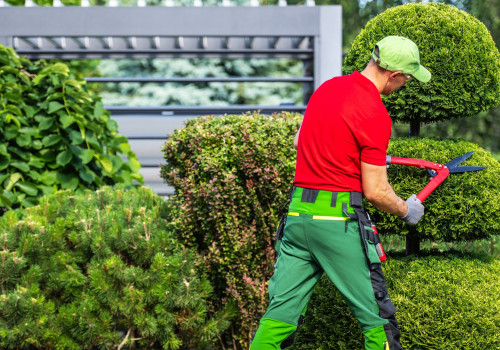
Tree trimming
primarily focuses on enhancing the appearance of the tree by removing excess foliage and shaping its structure. This process is typically performed on trees that are well-established and aims to promote a more visually appealing canopy. On the other hand, tree pruning is a more specialized practice aimed at improving the overall health of the tree.This involves cutting away dead or diseased branches, which can help prevent the spread of disease and encourage new growth. Pruning is often done during specific seasons to maximize its benefits, making it a critical component of tree care. Understanding these differences is vital for any homeowner or landscaper looking to maintain healthy trees. Both practices not only contribute to the aesthetic value of your landscape but also play a significant role in ensuring the longevity of your trees. By regularly engaging in tree trimming and pruning, you can help mitigate potential health issues, allowing your trees to thrive for years to come.
In the following sections, we will delve deeper into how these practices can specifically aid in disease prevention and overall tree vitality.
The Importance of Tree Health
Maintaining tree health is essential for the overall ecosystem, as trees play a vital role in our environment. Healthy trees not only enhance the beauty of landscapes but also provide numerous benefits, including improved air quality, reduced soil erosion, and increased property value. Furthermore, they serve as habitats for various wildlife species, contributing to biodiversity.One of the primary reasons to prioritize tree health is to prevent common tree diseases. Trees can be susceptible to a range of ailments caused by fungi, bacteria, and pests.Some prevalent diseases include:
- Powdery Mildew: A fungal disease that affects leaves, leading to reduced photosynthesis and overall tree vigor.
- Root Rot: Often caused by overwatering or poor drainage, this disease can lead to tree decline and death.
- Anthracnose: A fungal infection that causes leaf spots and can weaken trees significantly.
They are better equipped to withstand pests and diseases, making them less likely to require extensive treatment or removal. In summary, investing time and resources into maintaining tree health through proper care practices like trimming and pruning can yield significant long-term benefits for both the trees and their surrounding environment.
How Tree Trimming and Pruning Prevent Diseases
Tree trimming and pruning are essential practices that play a significant role in preventing tree diseases. By maintaining the health of trees, these techniques can enhance their resilience against various pathogens and pests.One of the primary benefits of tree trimming and pruning is the improvement of air circulation within the tree's canopy. When branches are overcrowded, moisture can accumulate, creating a damp environment that is conducive to fungal growth and other diseases.By selectively removing excess branches, you allow for better airflow, which helps to dry out wet areas and reduces the likelihood of disease development.In addition to enhancing air circulation, pruning also facilitates sunlight penetration. Trees require adequate sunlight for photosynthesis, which is vital for their overall health. When branches block sunlight from reaching the inner parts of the tree, it can lead to weak growth and increased susceptibility to diseases. Pruning opens up the canopy, ensuring that all parts of the tree receive sufficient light, thereby promoting stronger and healthier growth.Another critical aspect of preventing tree diseases through trimming is the removal of infected or dead branches.
These branches can harbor pests and pathogens that may spread to healthy parts of the tree. By regularly inspecting and removing these compromised sections, you not only protect the tree but also enhance its overall vitality.Moreover, proper pruning techniques can stimulate new growth. When done correctly, pruning encourages the development of new shoots that are more vigorous and less prone to disease. This rejuvenation process is particularly beneficial for older trees that may be struggling with health issues.In summary, tree trimming and pruning are vital practices for maintaining tree health.
They improve air circulation, enhance sunlight exposure, and allow for the removal of diseased branches—all contributing factors in preventing tree diseases. Regular maintenance through these methods ensures that trees remain robust and resilient against potential threats.
Best Practices for Tree Trimming and Pruning
Effective tree trimming and pruning is essential for maintaining the health and aesthetics of your trees. By following best practices, you can enhance the growth of your trees while minimizing the risk of disease.Choosing the Right Tools
Before you begin, ensure you have the appropriate tools for pruning. Here are some essential tools:- Hand Pruners: Ideal for small branches up to ¾ inch in diameter.
- Loppers: Useful for branches that are ¾ inch to 2 inches thick.
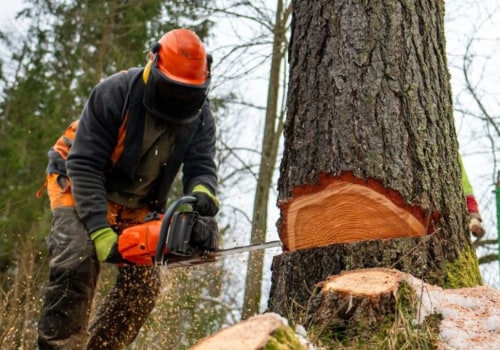
- Saws: A pruning saw or chainsaw is necessary for larger branches.
- Safety Gear: Always wear gloves, goggles, and a hard hat to protect yourself.
Pruning Techniques
To prune trees correctly, follow these techniques:- Timing: The best time to prune most trees is during their dormant season, typically late winter or early spring.
This minimizes stress and encourages healthy growth.
- Remove Dead or Diseased Wood: Start by cutting away any dead, damaged, or diseased branches. This helps prevent the spread of disease and allows for better air circulation.
- Avoid Topping: Never cut off the top of a tree indiscriminately. This can lead to weak growth and increased vulnerability to pests and diseases.
- Make Clean Cuts: Use sharp tools to make clean cuts at a slight angle. This helps the tree heal faster and reduces the risk of infection.
Regular maintenance not only enhances their appearance but also plays a crucial role in disease prevention.
Common Mistakes in Tree Trimming and Pruning
When it comes to tree trimming and pruning, even seasoned gardeners can make mistakes that may lead to tree disease or damage. Understanding these common errors is essential for maintaining healthy trees.Improper Timing
One of the most frequent mistakes is trimming or pruning at the wrong time of year. For many species, late winter or early spring is ideal, as it allows trees to heal before the growing season. Pruning in late fall can expose trees to harsh winter conditions, increasing the risk of disease.Using Dull Tools
Another common error is using dull or dirty tools.Tree trimming and pruning should be done with sharp, clean equipment to ensure clean cuts. Dull tools can tear bark and create wounds that are more susceptible to infection.
Over-Pruning
Over-pruning is a significant mistake that can weaken a tree. Removing too many branches at once can stress the tree, making it vulnerable to pests and diseases. It's crucial to follow the one-third rule, which suggests not removing more than one-third of a tree's foliage in a single season.Ignoring Tree Structure
Failing to consider the natural structure of the tree is another pitfall.Cutting branches without understanding their role in the tree's overall health can lead to imbalances and increased susceptibility to disease. Always assess which branches are essential for maintaining a strong structure.
Neglecting Wound Care
After making cuts, neglecting proper wound care can also lead to problems. While some experts debate the necessity of wound dressings, ensuring that cuts are clean and allowing them to heal naturally is often best. If you choose to use a dressing, ensure it’s appropriate for the type of cut made. By avoiding these common mistakes in tree trimming and pruning, you can significantly reduce the risk of disease and promote healthier growth in your trees.When to Trim or Prune Trees
Understanding when to trim or prune trees is essential for maintaining their health and preventing disease.The optimal timing can vary significantly based on the species of the tree and the local climate conditions.
Best Time to Prune Trees
- Late Winter to Early Spring: For many deciduous trees, the best time to prune is during late winter or early spring, just before new growth begins. This timing minimizes stress on the tree and allows for quicker healing.
- Summer Pruning: Some trees benefit from light pruning in the summer. This can help control growth and improve air circulation, which is crucial for preventing fungal diseases.
- Fall Pruning: Generally, fall is not recommended for pruning most trees, as it can expose them to winter injury and disease. However, if you notice dead or diseased branches, it’s better to remove them than to leave them through the winter.
Seasonal Tree Care
The timing of tree trimming and pruning should also consider seasonal changes.
For instance, trees that bloom in spring should be pruned after they flower, while those that bloom in summer should be pruned in late winter or early spring.
Timing for Tree Trimming
In addition to pruning, regular trimming is vital for maintaining tree structure and health. Trimming can be done throughout the year but should be approached with caution during extreme weather conditions. Always assess the tree's health before deciding on a trimming schedule.By aligning your tree trimming and pruning practices with these seasonal guidelines, you can significantly enhance your trees' resilience against diseases and promote robust growth.
Signs Your Trees Need Trimming or Pruning
Recognizing the signs that your trees need trimming or pruning is essential for maintaining their health and preventing disease. Here are some key indicators to watch for:- Dead or Dying Branches: If you notice branches that are brittle, discolored, or devoid of leaves, they may be dead or dying.
These branches can harbor pests and diseases, making it crucial to remove them promptly.
- Overcrowded Canopy: Trees with dense foliage can suffer from poor air circulation, which increases humidity and creates a favorable environment for fungal diseases. If branches are crossing or rubbing against each other, it’s time to consider trimming.
- Excessive Growth: If your tree has grown significantly since its last pruning, it may be time to trim back excessive growth. This not only helps maintain the tree's shape but also reduces the risk of disease by allowing more sunlight to penetrate the canopy.
- Visible Pests: The presence of insects such as aphids or borers can indicate that your tree is unhealthy. Regular pruning can help manage these pests and prevent them from spreading to other parts of the tree.
- Mushrooms or Fungi: The appearance of mushrooms or fungi at the base of a tree can signal decay or root problems.
Pruning away affected areas can help mitigate further damage.
- Leaf Discoloration: Yellowing leaves or those with spots may indicate nutrient deficiencies or disease. Pruning affected branches can help improve overall tree health.
FAQs About Tree Trimming and Pruning
When it comes to tree trimming and pruning, many homeowners have questions about the best practices and benefits.Here are some frequently asked questions that can help clarify these important aspects of tree care.
What is the difference between tree trimming and pruning?
Tree trimming generally refers to the process of cutting back overgrown branches to maintain the shape and size of a tree, while pruning involves removing specific branches to improve the health of the tree, promote growth, or remove dead or diseased wood.How often should I trim or prune my trees?
The frequency of tree trimming and pruning depends on the species of the tree and its growth rate. Generally, it is advisable to trim trees annually or biannually, while pruning may be done every few years or as needed to address specific health issues.Can tree trimming and pruning help prevent disease?
Yes, tree trimming and pruning can significantly help in preventing disease. By removing dead or diseased branches, you reduce the risk of infection spreading to healthy parts of the tree. Additionally, proper pruning techniques can improve air circulation and sunlight penetration, which are essential for a tree's overall health.What tools do I need for tree trimming and pruning?
- Hand pruners: Ideal for small branches.
- Loppers: Useful for thicker branches that are too large for hand pruners.
- Saws: A pruning saw or chainsaw may be necessary for larger limbs.
- Safety gear: Always wear gloves, goggles, and a hard hat when working with trees.
Is it better to hire a professional for tree trimming and pruning?
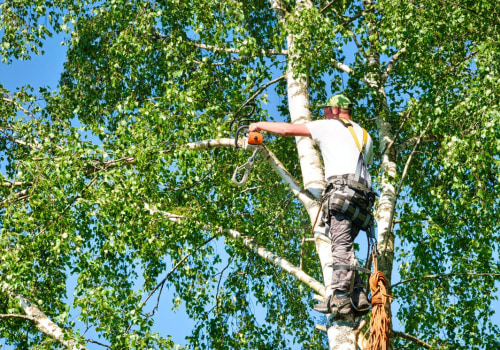
If you are unsure about how to properly trim or prune your trees, or if they are particularly large or close to power lines, it is often best to hire a professional arborist.They have the expertise and equipment necessary to perform these tasks safely and effectively.By addressing these common questions about tree trimming and pruning, you can make informed decisions that will enhance the health and longevity of your trees.
Conclusion: The Impact of Proper Tree Care on Disease Prevention
In conclusion, tree trimming and pruning play a crucial role in maintaining the health and vitality of trees, significantly contributing to disease prevention. By removing dead or diseased branches, we not only enhance the aesthetic appeal of our landscapes but also reduce the risk of pathogens spreading throughout the tree. This proactive approach allows for better air circulation and sunlight penetration, which are essential for a tree's overall health.Moreover, regular trimming helps to identify potential issues before they escalate into serious problems. For instance, during the pruning process, arborists can spot early signs of disease or pest infestations that may otherwise go unnoticed.Addressing these concerns promptly can save trees from severe damage and prolong their lifespan.
- Improved Airflow: Properly pruned trees have better airflow, reducing humidity around the foliage and minimizing fungal growth.
- Enhanced Sunlight Exposure: Trimming allows more sunlight to reach the inner branches and leaves, promoting healthy growth.
- Reduced Competition: Pruning helps eliminate overcrowded branches that compete for nutrients, ensuring that healthy parts of the tree thrive.