When it comes to fruit tree care, understanding the difference between tree trimming and tree pruning is essential for any gardener or orchardist. While both practices involve cutting back branches, their purposes and techniques vary significantly.
Tree trimming
generally refers to the maintenance of a tree's shape and size, focusing on removing excess foliage and dead or diseased branches. In contrast, tree pruning is a more specialized technique aimed at enhancing the health and productivity of fruit trees by selectively removing specific branches to improve air circulation, sunlight exposure, and overall growth. The importance of these practices cannot be overstated.Proper pruning techniques can lead to increased fruit production, improved tree structure, and a longer lifespan for your trees. By understanding when and how to trim or prune your fruit trees, you can create an environment that fosters healthy growth and maximizes yield. For instance, pruning during the dormant season allows trees to heal more effectively, while summer trimming can help manage growth and shape. In this article, we will delve deeper into the specific techniques for trimming and pruning fruit trees, exploring the best practices that ensure your trees remain healthy and productive. Whether you are a seasoned gardener or a novice looking to cultivate your first orchard, mastering these skills will empower you to nurture your fruit trees effectively.
The Importance of Pruning Fruit Trees
Pruning fruit trees is not merely a cosmetic practice; it plays a crucial role in maintaining the health and productivity of the tree.One of the primary benefits of pruning is improved air circulation. By removing excess branches, you allow air to flow freely through the canopy, which helps to reduce the risk of fungal diseases that thrive in stagnant, humid conditions. Another significant advantage is enhanced sunlight penetration. When trees are pruned properly, sunlight can reach more leaves, promoting photosynthesis and leading to better fruit production. This is particularly important for fruit trees, as adequate sunlight is essential for the development of sweet and flavorful fruits. Additionally, pruning fruit trees encourages new growth.
By cutting back older branches, you stimulate the tree to produce new shoots that can bear fruit. This rejuvenation process not only increases yield but also improves the overall vigor of the tree. Moreover, pruning helps in shaping the tree, making it easier to manage and harvest. A well-structured tree allows for easier access to fruits and reduces the risk of broken branches under the weight of heavy fruit loads. In summary, the importance of pruning fruit trees cannot be overstated. It leads to healthier trees, better air circulation, increased sunlight exposure, and ultimately a more bountiful harvest.
Regular pruning is an investment in the long-term health and productivity of your fruit trees.
When to Trim and Prune Fruit Trees
Understanding the best time to prune fruit trees is crucial for promoting healthy growth and maximizing fruit yield. The timing of tree trimming and pruning can vary depending on the type of fruit tree and the climate in your region.Winter Pruning
- For most deciduous fruit trees, late winter is considered the optimal time for pruning. This is typically between January and March, before the trees begin to bud.
- Pruning during this period allows you to see the tree's structure clearly, making it easier to identify which branches to remove.
- Additionally, winter pruning helps to minimize the risk of disease, as many pathogens are dormant during colder months.
Summer Pruning
- Summer pruning can also be beneficial, particularly for stone fruits like cherries and peaches. This is usually done in late June or early July.
- This technique focuses on removing excess growth and improving air circulation within the canopy, which can help reduce disease pressure.
- Summer pruning encourages the tree to direct its energy towards fruit production rather than excessive vegetative growth.
Specific Timing for Different Trees
- Apple Trees: Best pruned in late winter or early spring before new growth begins.
- Pear Trees: Similar to apple trees, they thrive with winter pruning.
- Citrus Trees: These can be pruned in late winter or early spring, but light trimming can also be done throughout the growing season.
- Stone Fruits: Prune in late winter for structural changes; summer pruning helps manage growth.
By adhering to these seasonal guidelines, you can ensure that your trees remain vigorous and fruitful throughout their growing seasons.
Essential Tools for Trimming and Pruning
To achieve optimal results in tree trimming and pruning, having the right tools is essential. Each tool serves a specific purpose, ensuring that you can perform your tasks efficiently and safely. Here’s a list of the most important tools you should consider:- Pruning Shears: Also known as hand pruners, these are ideal for cutting small branches and stems. Look for bypass pruners, which have two blades that slide past each other, making clean cuts that promote healing.
- Loppers: For thicker branches, loppers provide the leverage needed to make clean cuts.
They typically have long handles, allowing you to reach higher branches without straining.
- Saws: A pruning saw is essential for larger branches that cannot be cut with shears or loppers. Choose a folding saw for easy storage and portability.
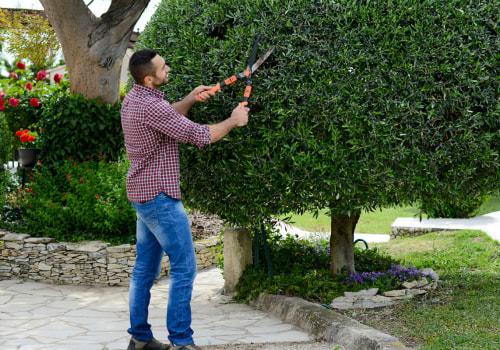
- Hedge Trimmers: If you’re dealing with fruit trees that require shaping, hedge trimmers can help maintain a neat appearance. Electric or manual options are available depending on your preference.
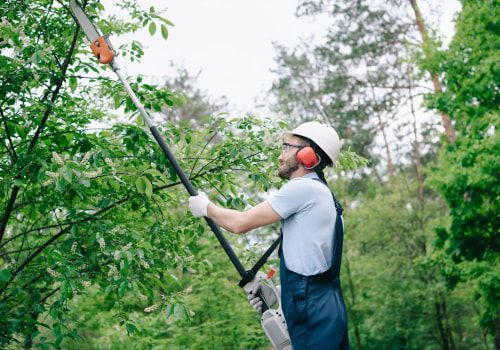
- Pole Pruner: For high branches, a pole pruner extends your reach significantly. This tool often combines a saw and shears at the end of a long pole.
- Safety Gear: Don’t forget to protect yourself while working.
Safety goggles, gloves, and sturdy footwear are essential to prevent injuries.
Techniques for Pruning Different Types of Fruit Trees
Pruning fruit trees is essential for maintaining their health and maximizing fruit production. Different types of fruit trees require specific techniques to ensure optimal growth and yield. Below are detailed pruning techniques for apple, peach, and cherry trees.Pruning Techniques for Apple Trees
Apple trees benefit from a technique known as central leader pruning.This method encourages a strong central trunk and evenly spaced branches. Here’s how to do it:
- Timing: Prune during late winter or early spring before new growth begins.
- Remove dead or diseased wood: Start by cutting away any branches that are dead, damaged, or diseased.
- Thin out crowded branches: Select the strongest branches to keep and remove those that cross or crowd each other.
- Shorten long branches: Cut back long branches to encourage bushier growth and better fruit production.
Pruning Techniques for Peach Trees
Peach trees require a different approach, often utilizing the open center method. This technique allows sunlight to penetrate the tree’s interior, promoting healthy fruit development:- Timing: Prune in late winter or early spring, similar to apple trees.
- Create an open center: Remove the central leader to allow for an open canopy.
- Select scaffold branches: Choose 3-4 strong branches that will serve as the main structure of the tree.
- Cut back last year’s growth: Trim back last year’s growth by about one-third to encourage new fruiting wood.
Specific Pruning Methods for Cherry Trees
Cherry trees can be pruned using a combination of techniques, focusing on maintaining shape and health:- Timing: Prune cherry trees in late summer after harvest to avoid disease.
- Crown thinning: Remove some of the inner branches to improve air circulation and light penetration.
- Suckers removal: Regularly remove suckers that grow from the base of the tree to direct energy towards fruit production.
Common Mistakes to Avoid When Pruning Fruit Trees
Pruning fruit trees is essential for their health and productivity, but many gardeners make common mistakes that can hinder growth and fruit production.Understanding these pitfalls can help you achieve better results.
1.Pruning at the Wrong Time
One of the most frequent errors is pruning at an inappropriate time of year. Each type of fruit tree has its own optimal pruning season. For instance, stone fruits like cherries and peaches should be pruned in late winter, while pome fruits such as apples and pears are best pruned in late winter to early spring. Pruning at the wrong time can expose trees to disease and reduce fruit yield.2.Over-Pruning
Another common mistake is over-pruning, which can lead to stress and reduced fruit production.It's crucial to maintain a balance; removing too many branches can weaken the tree. Aim to remove no more than 25% of the tree's canopy in a single season.
3.Neglecting to Clean Tools
Using dirty or dull tools can spread diseases among your trees. Always ensure your pruning shears are clean and sharp before starting the job. A simple solution is to wipe them with rubbing alcohol between cuts.4.Ignoring Tree Structure
Failing to consider the natural structure of the tree can lead to poor growth patterns.Focus on maintaining an open center for sunlight penetration and air circulation, which promotes healthy growth.
5.Not Assessing Tree Health
Before pruning, assess the overall health of your tree. If a tree is diseased or infested with pests, it may require different care than standard pruning techniques. Always prioritize the health of the tree before proceeding with any pruning. By avoiding these common mistakes in tree trimming and pruning, you can ensure that your fruit trees remain healthy and productive for years to come.FAQs About Tree Trimming and Pruning Techniques
When it comes to tree trimming and pruning, many homeowners have questions about the best practices and techniques to ensure their fruit trees thrive. Here are some frequently asked questions that can help clarify common concerns:What is the best time to prune fruit trees?
The ideal time for pruning fruit trees is during their dormant season, typically late winter to early spring.This timing helps minimize stress on the tree and encourages healthy growth in the spring.
How do I know which branches to trim?
Focus on removing:- Dead or diseased branches: These can harbor pests and diseases that affect the overall health of the tree.
- Crowded branches: Thinning out crowded areas allows for better air circulation and sunlight penetration.
- Crossing branches: Remove branches that rub against each other to prevent injury and promote a stronger structure.
What tools do I need for effective pruning?
Essential tools for tree trimming and pruning include:- Pruning shears: Ideal for small branches and precise cuts.
- Loppers: Useful for thicker branches that are too large for shears.
- Saws: A pruning saw or chainsaw may be necessary for larger limbs.
Should I seal pruning cuts?
Generally, it is not necessary to seal pruning cuts. Trees have natural healing processes that allow them to close wounds effectively. However, if you are pruning a tree with a history of disease, using a sealant may provide additional protection.How often should I prune my fruit trees?
A light pruning should be done annually, while more extensive pruning may be needed every few years depending on the tree's growth and health. Regular maintenance helps keep your trees productive and manageable.By understanding these key aspects of tree trimming and pruning, you can ensure your fruit trees remain healthy, productive, and aesthetically pleasing throughout the seasons.Conclusion: Mastering the Art of Trimming and Pruning Fruit Trees
In conclusion, mastering the art of trimming and pruning fruit trees is essential for any gardener or orchardist aiming to achieve a bountiful harvest.The techniques discussed throughout this article highlight the importance of understanding the specific needs of different fruit tree species, as well as the timing and methods of pruning.Proper tree trimming and pruning not only enhances the aesthetic appeal of your trees but also promotes healthier growth and increased fruit production. By removing dead or diseased branches, you allow for better air circulation and sunlight penetration, which are crucial for the overall health of the tree.
- Timing is Key: Pruning at the right time, typically during dormancy in late winter or early spring, can significantly impact the tree's growth cycle.
- Know Your Tools: Using sharp, clean tools ensures clean cuts that heal quickly, reducing the risk of disease.
- Follow the 1/3 Rule: Avoid removing more than one-third of a tree's canopy in a single season to prevent shock.